Maximizing Guitar Tones
String-slingers, we’ve all been there: you love your rig, but you’re thinking you may need to buy another instrument or another pedal or another amp. There are so many tones out there, and you may think you need a wide variety of gear to experience them all. Fortunately, you don’t.
Part of developing a setup you can rely on is really knowing your tools. Knowing what they can and can’t do will tell you whether you actually need more of them, and a key part of that knowledge is just how many sounds you can get out of your guitar & amp before you ever add more to them.
Different Control Layouts
The Big Three solid-body guitar shapes from which so many others have been taking note - the Fender Telecaster, Gibson Les Paul, and Fender Stratocaster - each have a different approach to working with their control layout.
That said, some universal ideas can be explored regardless of which instrument you play the most.
- With your amp controls set to fairly neutral positions, clean or dirty, play something you know well and sweep your volume control(s) slowly through the entire range while repeatedly playing the part.
- Leave the tone control(s) alone while you do this
- Do the same thing with your tone control(s), leaving the volume alone
- Try it with each pickup or pickup combination on the guitar
Note how they interact with your other controls left at full. Pay attention to what you like or don’t like about where they are positioned, from the lowest audible setting to 10; this will come in handy when making adjustments later.
Single Volume, Single Tone
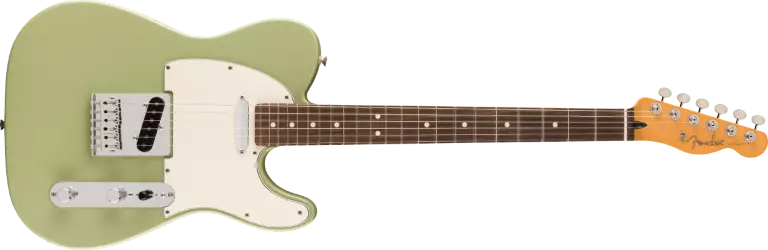
Fender Player II Telecaster, Rosewood Fingerboard - Birch Green
For Telecasters and other 1 volume/1 tone axes, constantly riding both controls is the name of the game.
You may have some favourite settings that will last you a whole song (bridge pickup on full rip, anyone?), but being able to smoothly transition from snarling overdrive to rounder, cleaner rhythm saves you some footswitch tap dancing as well as hours of pedalboard/patch optimization.
Single Volume, Dual Tone
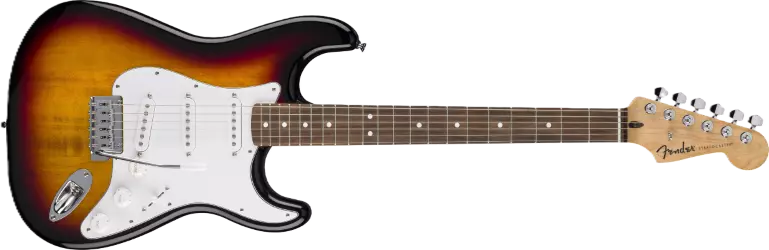
Fender Standard Stratocaster, Laurel Fingerboard with White Pickguard - 3-Colour Sunburst
Despite all the Stratocaster flavours, most triple single-coil or humbucker & two single-coil models have a master volume and two tone controls.
With older wiring models, the first tone affects the neck pickup, while the other affects the middle pickup; some newer models instead wire the first tone control to the neck and middle pickups, and the other to the bridge pickup.
Knowing how much treble you have control over for the bridge will play a big factor in how you dial in your amp.
Dual Volume, Dual Tone
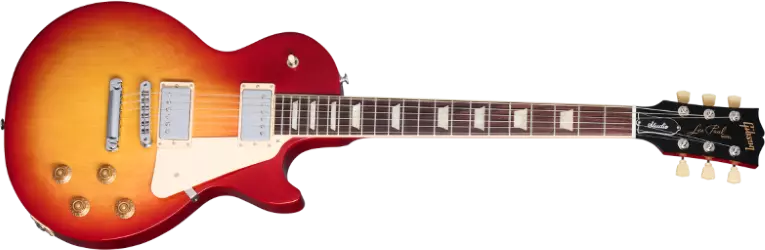
Gibson Les Paul Studio Electric Guitar with Softshell Case - Heritage Cherry Sunburst
Even more than dual tone controls, dual volume controls provide a great functional alternative to switching guitar sounds via footswitches or effects pedals.
Finding the sweet spot for each pickup on their own, as well as the combination of both, means you can smoothly change from clean to distorted sounds without having to stay near a pedal board.
At the extreme end of things, setting one volume all the way off gives you access to a kill-switch effect by rapidly switching the pickup selector switch - something that can be both a fun addition to accent riffs, and a great way to combat feedback when you’re not playing.
Amp Settings
How you typically set up your clean and overdriven sounds on your amp will change once your guitar controls are pulling more sonic weight - you may even only use a single channel for your core sound. Not only can this add a very satisfying extra tactile layer to your playing, it will also reduce your overall rig size and lessen the number of potential signal problems you might encounter on a gig.
Now that you are actually using your tone controls (more), and potentially have a starting point that isn’t on 10, it’s likely that your amp Bass control will be set a little lower, and your Treble & Mid controls will be set higher… unless you already had them dimed.
At that point, maybe it really is time for a new pedal!
Upgrade Your Setup at Long & McQuade
At Long & McQuade, we sell a variety of guitar effect pedals and amplifiers online that you can explore and try in-store. Our knowledgeable staff can also help answer any additional questions you have about your setup, your settings or just talk effects!