The Woodwind Family of Instruments: Explained
What are woodwinds?
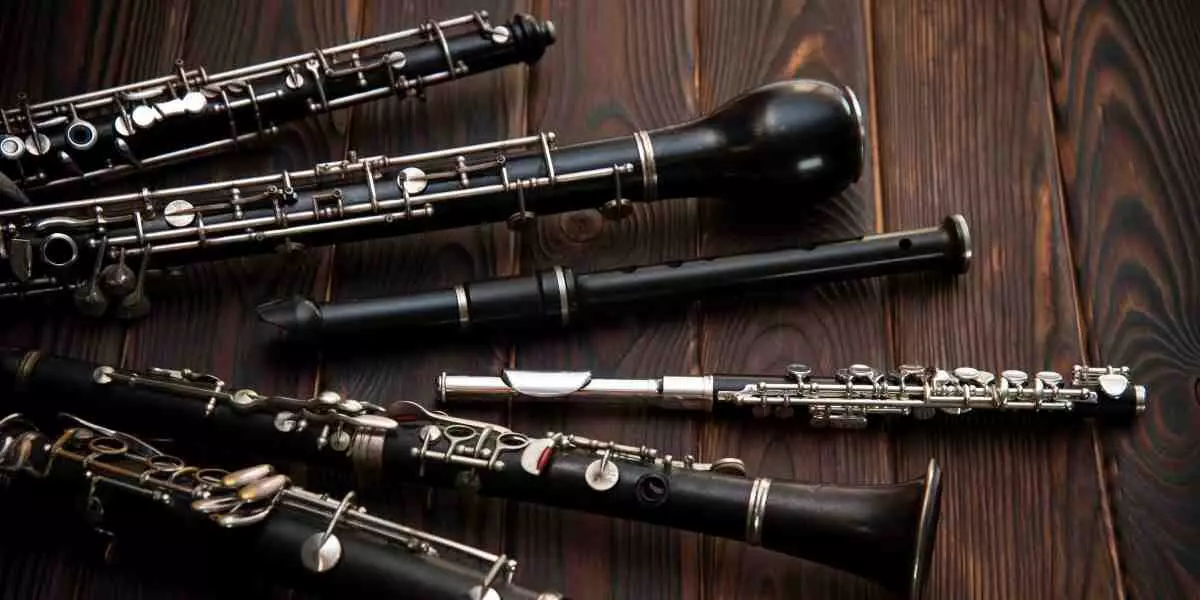
Woodwind instruments are just what they sound like: instruments where you use your breath (wind) to create sound, traditionally made of wood. When you blow air into the instrument, it vibrates inside the body and produces a tone. By opening and closing holes with your fingers or pressing keys/buttons, you change the length of the air column, which changes the pitch and gives you different notes.
Woodwind instruments can be more easily described by three main categories:
- No Reed
- Single-Reed Instruments
- Double-Reed Instruments
No Reed Woodwind Instruments
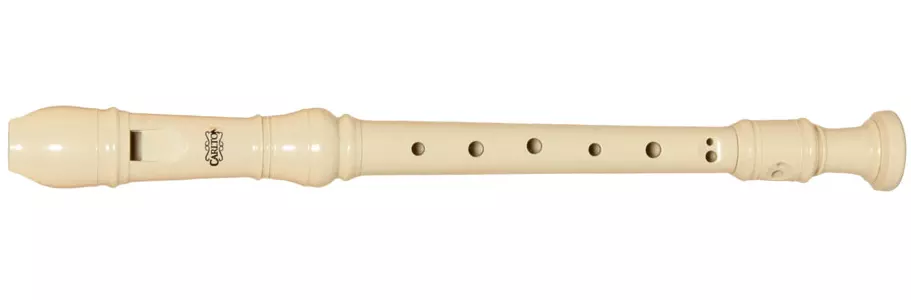
Recorder
You might have already played this woodwind instrument when you were younger and have since totally forgotten. Lo and behold, the mighty Recorder!
This is one of the most basic forms of a woodwind instrument - you blow air through the instrument, it makes sound from the vibration of your air, and you cover holes to play different notes.
Now, you might be thinking. “This isn’t made of wood, it’s made of plastic! How is it a woodwind?”
Glad you asked. The Recorder was originally found in Europe during the Middle Ages, where access to plastic wasn’t quite as abundant as it is now. They were made of wood back then, but some of them still are today!
The Recorder is most commonly seen in classrooms or the homes of patient parents. The production process for plastic Recorders makes them quite inexpensive, so they can be mass-produced and used in large quantities, giving everyone a super-affordable first step into the world of band and woodwinds!
Wooden Recorders are still used today in Baroque music and come in different sizes/voices. The plastic classroom Recorders are still available for sale at Long & McQuade!
Flute
Just like the Recorder, the Flute is a unique part of the woodwind family that does not use a reed or any kind of vibration from the source (your mouth) to make sound. Instead, the sound of a Flute is made by blowing into the headjoint at just the correct angle so that the air can vibrate throughout the instrument. Think of it like blowing into a pop bottle.
Now just wait a minute… This instrument is also not made of wood! What gives? How is this a woodwind?
Glad you asked again! Can you guess what the Flute was originally made out of when it was first discovered? Well, of course it was… bone! Yes, bone! The earliest form of the Flute may have actually been one of the first musical instruments ever!
Bones with hand-made holes were discovered around 50,000 years ago in present-day Germany. Although not quite 50,000 years old, bamboo Flutes were very popular in China, India, and the Middle East as early as ~3000 years ago. So, yes, the Flute also has an early history of being made of wood, like the Recorder.
Fun fact - did you know that Flutes come in different sizes as well? There are tiny ones called Piccolos, and bigger ones called alto, bass, and even contrabass Flutes!

Fife
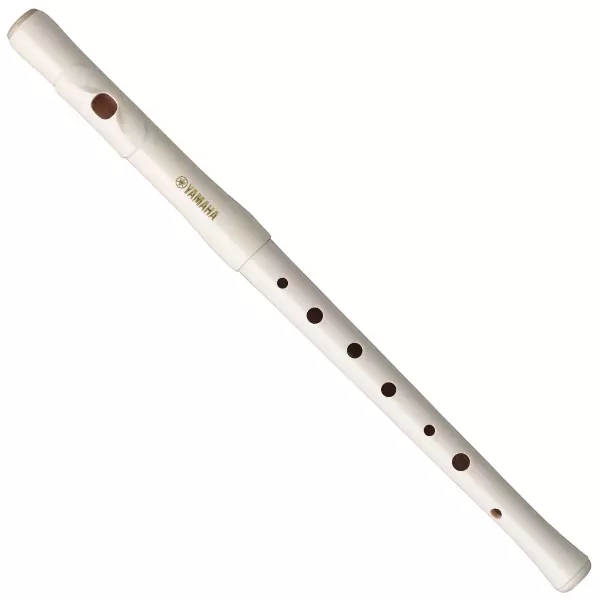
There is also an instrument that combines the concept of the Flute with the simplicity of a Recorder… and this is called the Fife!
Rather than a buttoned Flute, the Fife has holes that can be covered/uncovered to change notes, just like the Recorder! The only downside to the Fife is that it can only play in one key, while the Recorder can play in any key. Players usually have multiple Fifes in different keys to play along to. They are typically used in the military and marching bands.
Single-Reed Instruments
As the name suggests, single-reed instruments are woodwind instruments played with a single reed!
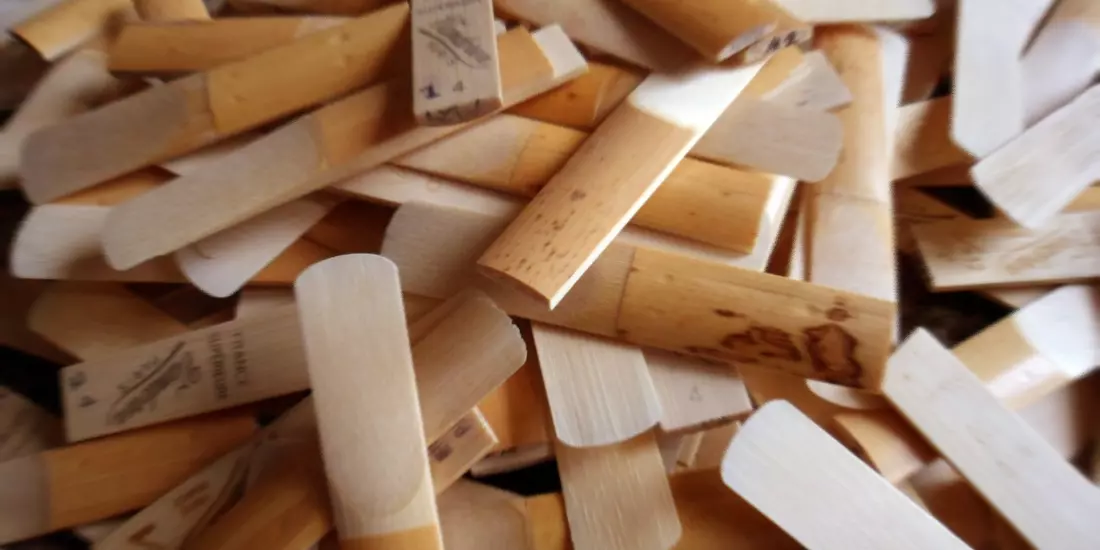
A reed is, essentially, a piece of wood that has been shaved down enough to be so thin that it can vibrate from the power of air. To use a single reed, place it on a mouthpiece and then use a ligature (typically metal) to hold it in place. You blow into the mouthpiece with the reed attached to it, and the vibration of the wood against the mouthpiece creates the sound.
The most commonly seen single-reed instruments are the Clarinet and Saxophone.
Clarinet
Clarinets are a popular woodwind instrument typically made from grenadilla wood. Finally, a woodwind instrument that is actually made mostly of wood. Doesn’t it make more sense now, especially since the reed is also made of wood?
The Clarinet was inspired by a baroque instrument called the Chalumeau, which was essentially a Recorder with a single reed. Then, around 1700 AD, we added some keys and rings to it to prevent cross-fingering and make it somewhat easier to play.
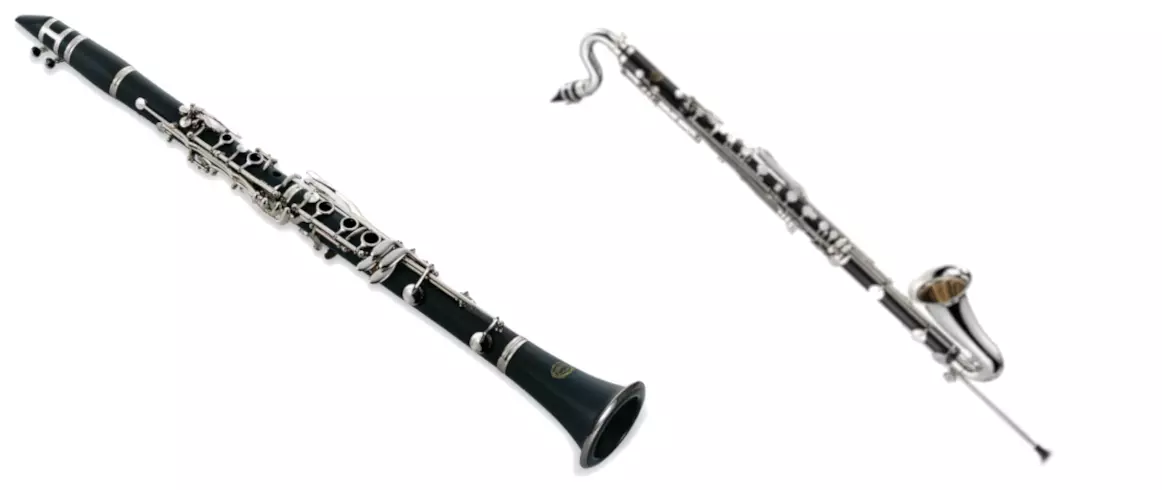
There is also a Bass Clarinet, which is exactly double the length of a regular (soprano) Clarinet. It has the same fingerings, with every note sounding one octave lower.
Fun fact - when the Clarinet plays a “C”, it’s not the same as a “C” on the piano? When a Clarinet plays a “C” note, it will sound like a Bb on the Piano. This is an example of a transposing instrument, and it can also come in different sizes (and keys!).
Saxophone
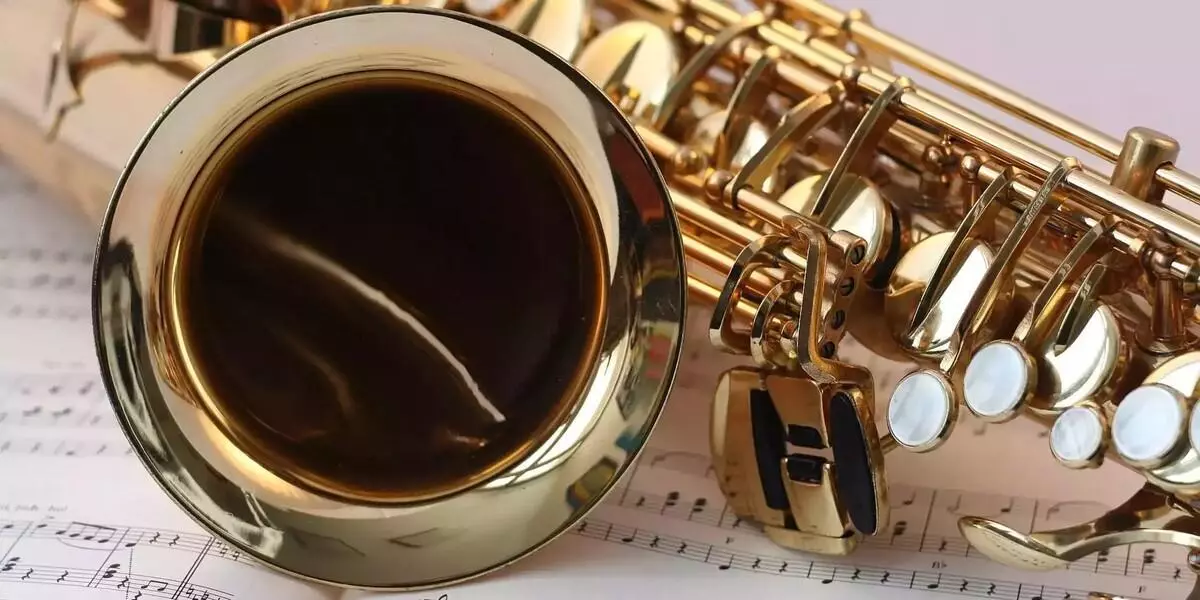
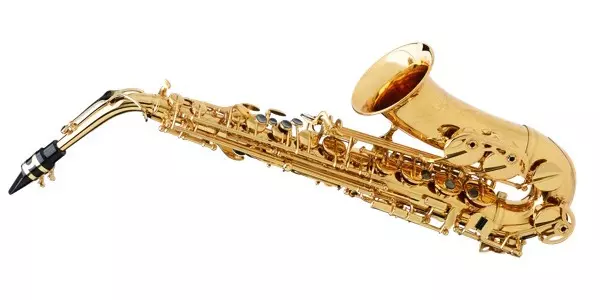
A much newer instrument than the other woodwinds, the Saxophone was invented by Adolphe Sax around 1840. Imagine being cool enough to name a well-known instrument family after yourself!
Yet again, though, we are back to a woodwind instrument not made out of wood! The difference here is that it’s never (typically) been made out of wood; it’s actually made out of brass. Like the Clarinet, it does use a single reed (which is made out of wood!) to make a sound, so because of its function, it is considered part of the woodwind family.
Fun fact - Did you know that the Saxophone was created to bridge the gap between brass and woodwind instruments? They also come in different sizes! Here is a YouTube short outlining all Saxophone sizes and how the “extreme-sized” ones sound.
Double-Reed Instruments
As mentioned earlier, the reed is the thinly shaved piece of wood that vibrates against the mouthpiece. If you take a look at a single reed, you’ll notice that one side of it is shaved down and the other side is flat.
Double reeds are, as their name suggests, two reeds attached together! They do not require a mouthpiece or a ligature to work! Rather, the two pieces of wood vibrate against each other when blown, creating the sound!
Although double reed instruments have been around in some capacity since before 2000 BC, the most common ones are the Oboe and Bassoon.
Fun fact - Did you know that Bagpipe Chanters are also double reed instruments?
Oboe
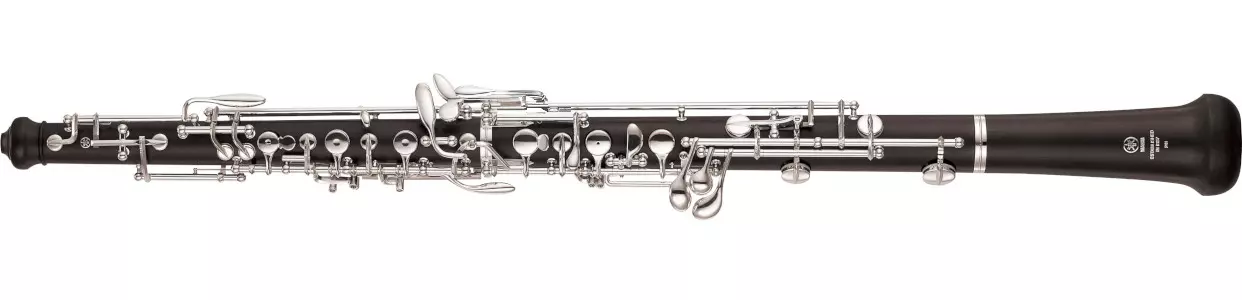
If you’ve ever gone to see an orchestra concert, this instrument is actually the first one you hear before the performance starts. To tune the orchestra, the Oboe sets the ‘A’ so the whole orchestra can match their pitch and stay in tune with each other.
The Oboe was inspired by (at least) two Middle Eastern instruments: the Zurna and the Shawm. These instruments were made for outdoor festivities such as weddings and dances, partially because of how loudly they can be played. Like Clarinets, Oboes are typically made from grenadilla wood.
Fun fact - The Oboe has the most distinct sound in the whole orchestra. It is also the instrument with the most stable, fixed pitch, as opposed to others that may change with humidity. Of course, it comes in different sizes!
English Horn
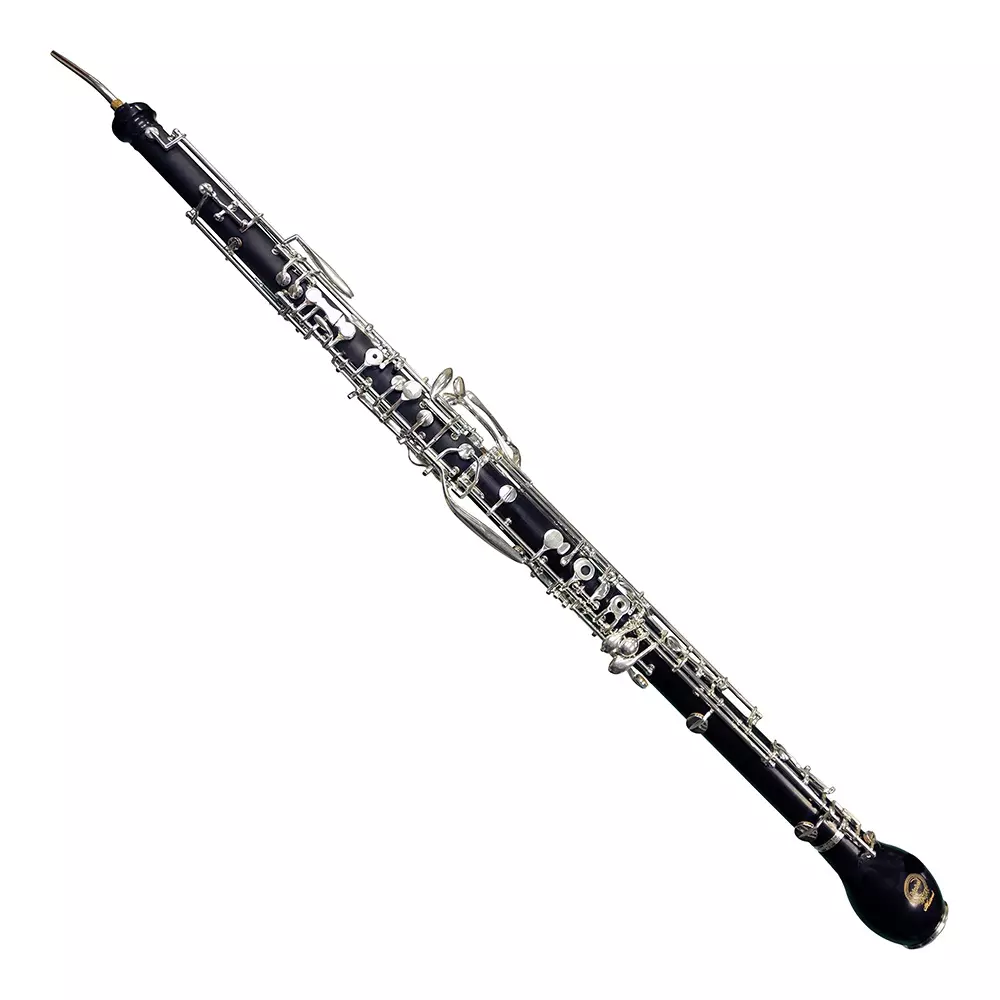
Similar to the oboe is the English Horn. While the Oboe plays in C, the English Horn is a longer instrument that plays in F (transposing). While Oboe reeds can attach directly to the instrument, the English Horn uses a bocal that you attach the reed to.
Bassoon
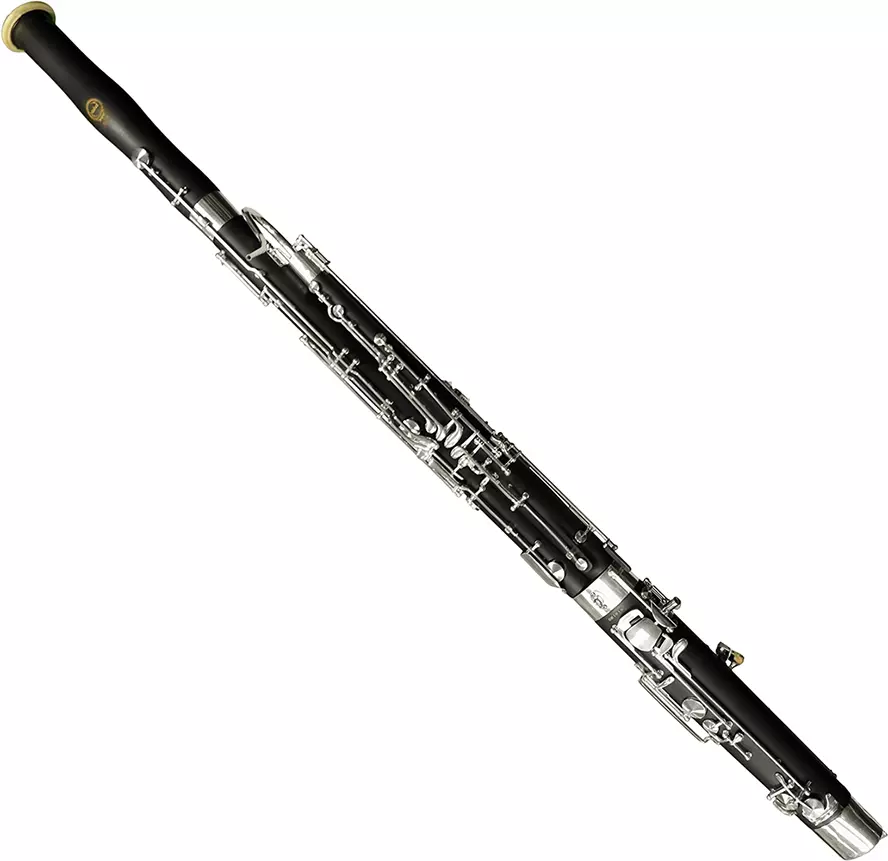
The Bassoon is a lower-voiced double-reed instrument made of hard maple wood. It was inspired by the Renaissance-era Dulcian, which was a single piece of wood with holes bored into it for changing the pitch.
Although less popular as an instrument overall, the Bassoon has a great “woody” sound that cannot be replicated by any other. You might have heard it before, especially if you’ve watched Disney’s Fantasia, where it’s featured prominently in The Sorcerer’s Apprentice.
The bassoon also uses a bocal to attach its reed, and most bassoons come with two or three bocals to adjust their sound.
The shorter bocal is generally used for tuning the instrument higher with a brighter tone colour, while the longer one is used to tune the instrument lower with a darker sound.
Fun fact - The Bassoon has 13 thumb keys. The right thumb plays 4 different keys, while the left thumb plays 9. Bassoon players are pretty smart and talented.
Learning a Woodwind Instrument
Woodwind instruments are great additions to any band and can be used across many different styles and genres. They are a lot of fun to learn, very rewarding, and a great way to spend your time making beautiful music. Long & McQuade offers a large variety of woodwind instruments for sale with free shipping across the country. Shop now.