



Unwrapping the Stories Behind Your Favourite Christmas Songs

Christmas Carols evoke a range of emotions, from nostalgia of years past to hope for a better future. However, many have surprising histories and fun backstories that give these classic tunes new meaning and appreciation.
Jingle Bells: A Thanksgiving Song Turned Christmas Classic
Though it’s now synonymous with Christmas, “Jingle Bells” was originally written for Thanksgiving. Composed by James Lord Pierpont for his Sunday School class to perform for a service, the song was intended to celebrate the popular horse racing that took place around Thanksgiving season.
The lyrics depict an adventurous sleigh ride in the winter snow, and the persistent rhythm of the bells heard throughout imitates a trotting horse. First published in 1857 by Boston Music Publishing House and originally titled ‘One Horse Open Sleigh’, it wasn’t until it was reissued two years later that the title was changed to ‘Jingle Bells’ better to reflect the lyrics and themes of the song.
The song’s rise in popularity is often attributed to Bing Crosby and The Andrews Sisters, who featured it on Crosby’s 1945 White Christmas album.
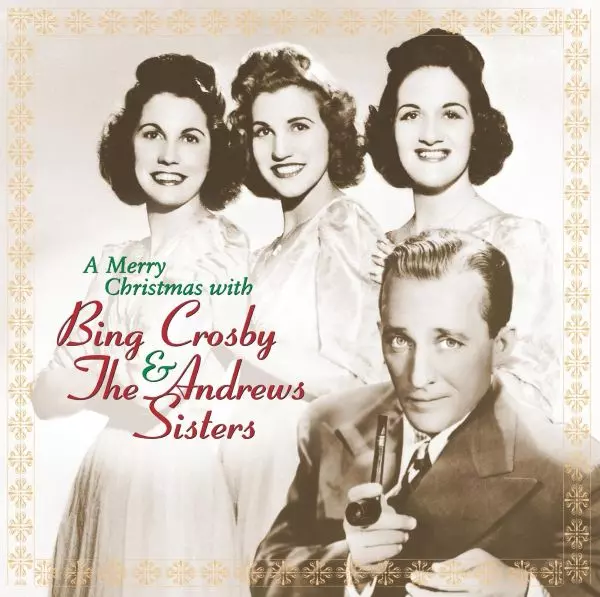
The album cover to "Jingle Bells" by Bing Crosby & the Andrews Sisters.
Do You Hear What I Hear: A Plea for Peace
Although considered a classic by today’s standards, the song ‘Do You Hear What I Hear’ was only written 63 years ago. Published in October of 1962 and first recorded by the Harry Simeone Chorale, the song sold over 250,000 copies in its first week.
Although often interpreted as having a Christian message, the song was actually written as a plea for peace during the Cuban Missile Crisis. Then, a couple, Noel Regney and Gloria Shayne, were living in New York during the height of the Crisis and were asked to write a song for the B side of a record.
Haunted by his experiences with the French Resistance during World War II, Noel found the threat of nuclear war particularly chilling. However, walking down the street one day, he saw two women with their babies—a sight that filled him with hope and inspired the song’s lyrics. His wife, Gloria, composed the music, and the song quickly became an instant hit.
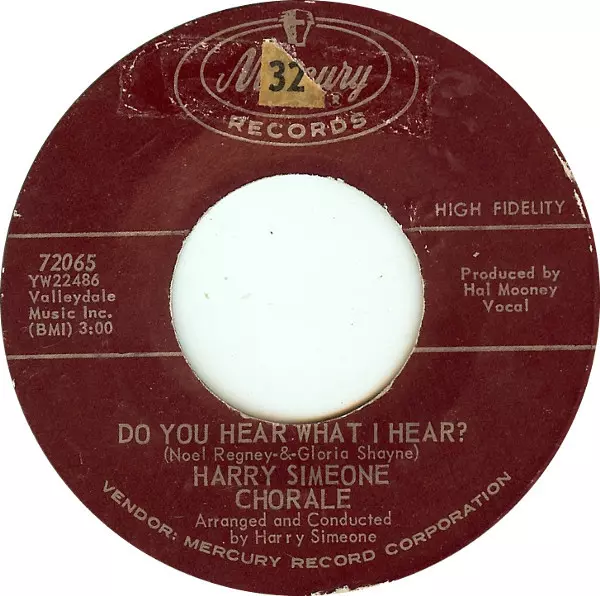
The original record label to "Do You Hear What I Hear" by Noel Regney & Gloria Shayne.
Grandma Got Run Over by a Reindeer: Breaking the Mould with Humour
Written by Randy Brooks and originally recorded by Elmo and Patsy Trigg Shroshire, "Grandma Got Run Over by a Reindeer" was created to give listeners a reprieve from the traditional trope of Christmas love stories.
While listening to a Merle Haggard song, ‘Grandma’s Christmas Card’, Brooks found himself frustrated with the lack of creativity in Christmas lyrics, finding the endings predictable and storytelling uninspiring. Wanting to add some humour to the Christmas repertoire, Brooks decided to write an epilogue to Merle Haggard’s song and answer his own question, “How would Grandma die?”
The song later inspired the story and title of the animated film, by the same name, which aired on the Warner Bros. network in 2001. Regardless of whether this song makes you laugh or shake your head, it’s safe to say Brooks achieved his goal of breaking the mould with this humorous tune!
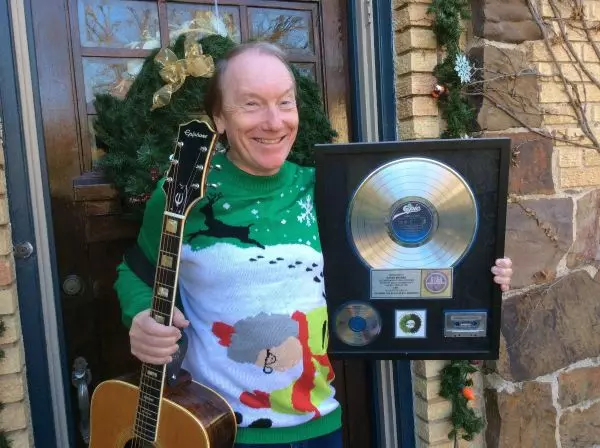
Randy Brooks, creator of "Grandma Got Run Over by a Reindeer," holding a guitar and posing with his framed gold record.
I Want a Hippopotamus for Christmas: From Billboard Hit to Zoo Fundraiser
While many Christmas songs express the wishes of starry-eyed children, few are as iconic as the tale of a young girl wishing for a hippopotamus. Sung by 10-year-old Gayla Peevey in 1953, the song became an instant hit, reaching Number 24 on the Billboard charts and resonating especially in Oklahoma.
The Oklahoma City Zoo created a campaign based around the song to raise money for their own Hippo and asked children to donate their spare change for the cause. The city came together and raised $3,952.16 to allow them to welcome Mathilda, a Nile hippo, to their zoo. On Christmas Eve, when Mathilda arrived, Peevey was there to help welcome Mathilda to her new home.
The song turned 70 in 2023 and has been covered by artists including LeAnn Rimes, Kasey Musgraves and Clint Robinson. However, Peevey’s original is sure to remain a staple on the radio for listeners to enjoy for decades to come!
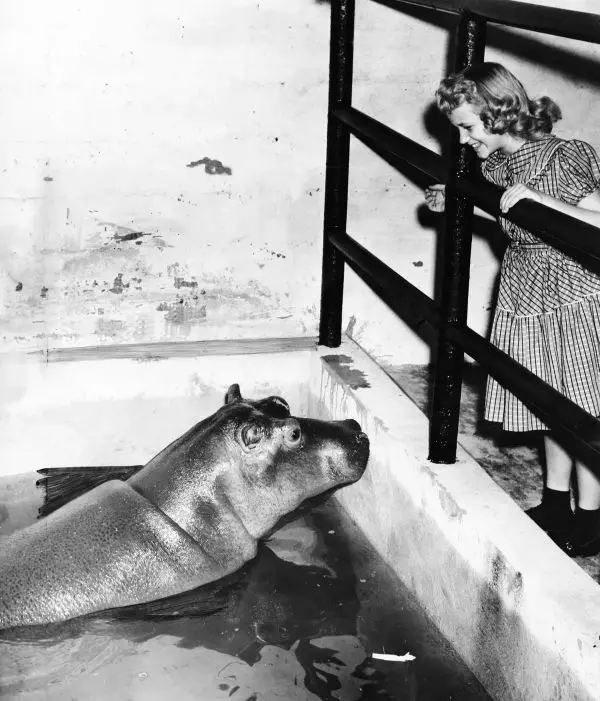
"I want a Hippopotamus for Christmas," singer Gayla Peevey at the Oklahoma Zoo, looking at a hippo
The Power of Christmas Carols
Whether you have the radio on without fail or eagerly count down the days until the Christmas music is packed away, these stories remind us that Christmas carols are more than just holiday tunes—they carry with them stories, memories, and sometimes even a touch of humour.
Each carol adds a unique layer to the holiday's history, as storytellers shape our traditions and preserve moments through song. The next time you hear a Christmas classic, take a moment to reflect on its origins and consider how these stories, passed down through generations, can inspire and resonate with your own life & future generations.