 resized.webp "The Traditional Tonewoods of Electric Bass")
Top 5 Must-Have Bass Accessories for Every Player
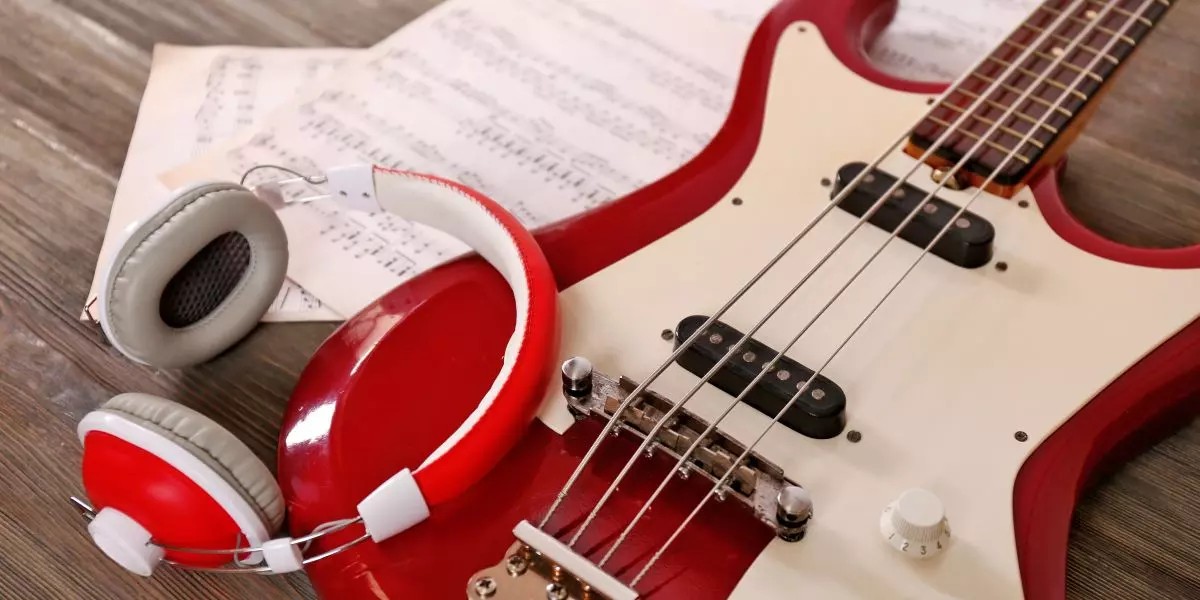
Buying a bass guitar can be an exciting prospect. The idea of holding down a beat and keeping the band grounded is intoxicating.
However, there is more to it than just strapping on a bass guitar and plucking away. As someone who has just come through the beginning stages of owning a bass, let me tell you, there is so much more to explore to expand your bass experience.
Here are the top 5 bass accessories that every bass player must have. Plus a bonus for good measure.
1. Guitar Strap
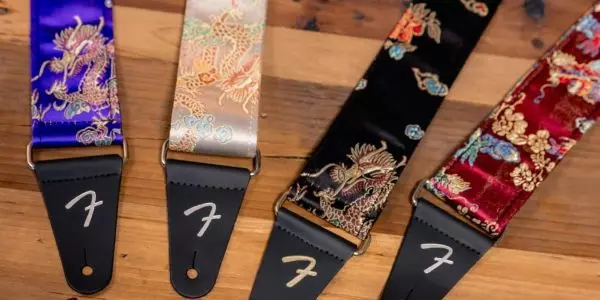
Bass guitars are long and heavy. Having a good guitar strap will save your back and shoulders in the long term and make it a lot easier to play. There are a few things to consider when shopping for a bass guitar strap.
What to Consider When Shopping for a Bass Guitar Strap
Width
- A good, wide strap will help distribute the weight of the bass more evenly.
- Look for straps at least 2 inches or thicker.
Padding
- Particularly important for older players.
- Comfort helps during long practice sessions or late-night gigs.
Adjustability
- Ideally, the bass should be at the same height whether you are sitting or standing.
- If you prefer a lower position, a fully adjustable strap is worth considering.
Material
- Go for leather if possible; it will last longer & wear better over time.
- Leather carries that cool old-school rock vibe.
2. Case or Gig Bag
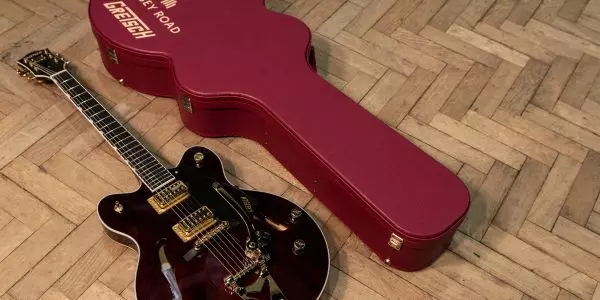
To travel to and from practice or the gig safely, a case or gig bag is an essential accessory. Not only does it make travel easier, but a case also protects your bass from wear and tear on the road. It can also store other accessories. You can choose between a soft-shell bag or a hard-shell case.
Shop Bass Guitar Cases & Gig Bags
What to Consider When Shopping for a Bass Guitar Case or Gig Bag
Soft Shell Gig Bag
- Lightweight alternative
- Usually comes with shoulder straps (like a backpack)
- Makes carrying a heavy bass over long distances more enjoyable
- Offers storage for pedals and accessories
- Not as durable as a hardshell case
Shop Bass Guitar Soft-Shell Gig Bags
Hardshell Case
- More durable solution
- Best when protection is the utmost priority
- Limited extra storage
- Good for home storage
- Helpful in areas with fluctuating humidity
Shop Bass Guitar Hardshell Cases
3. Amplifier
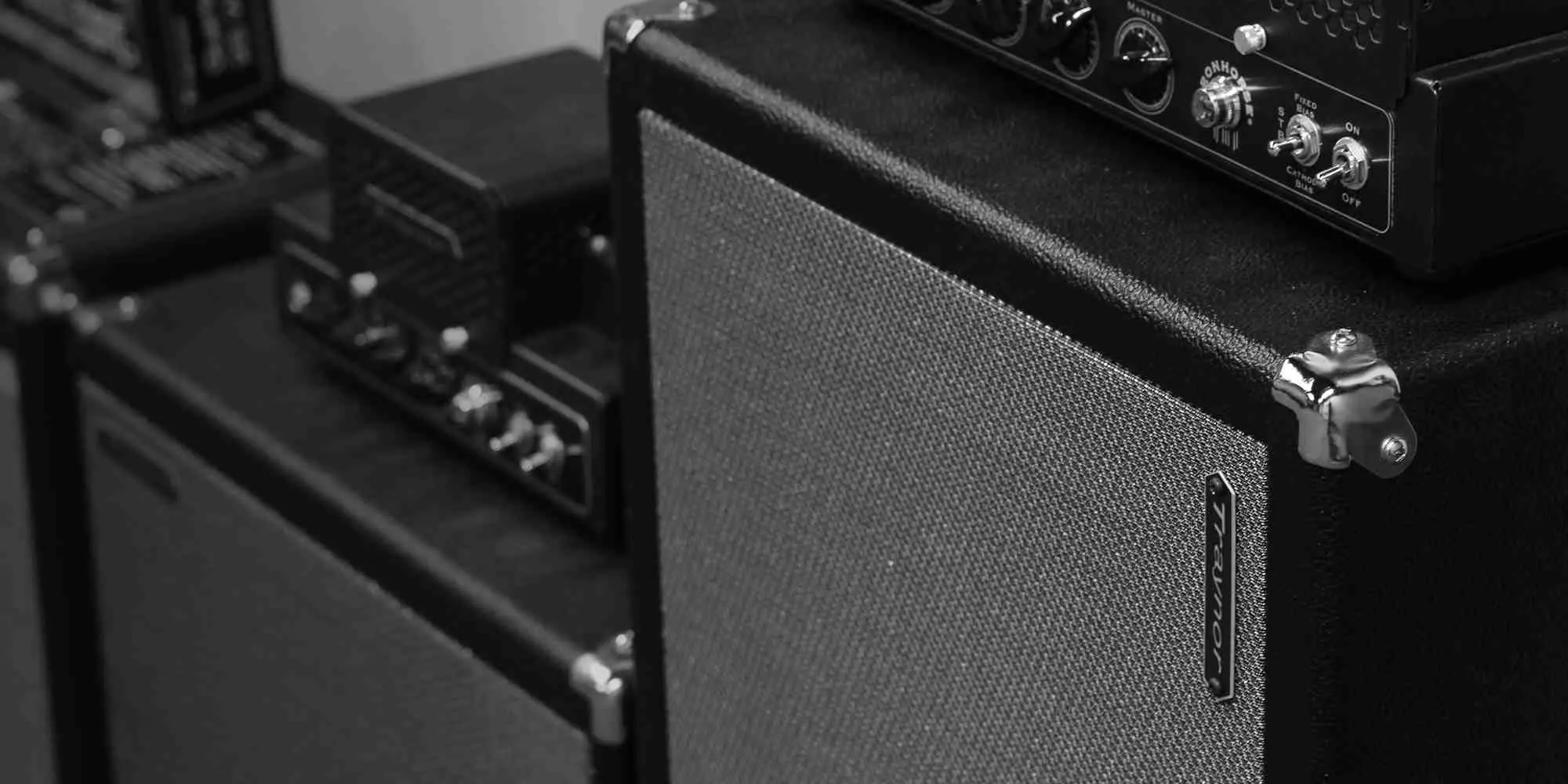
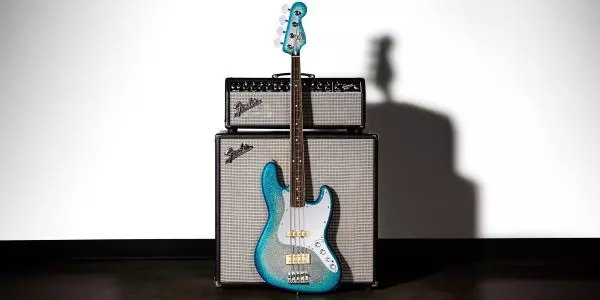
Gone are the days of a large stack of amplifiers requiring a team of roadies (or a few willing friends) to move them. The trend these days is toward a smaller, portable amplifier, and there are a plethora of choices. Depending on your immediate needs, either rocking in front of your mirror in your bedroom or jamming on a stage, a suitable bass amp can be found.
What to Consider When Shopping for a Bass Guitar Amplifier
When shopping for an amp, buy a bass amp, not a guitar amp. Bass amps have thicker speakers designed for the low frequencies a bass produces. While you technically could use a guitar amp, you would have to play at a low volume, and that’s just not fun.
Bedroom Amps (Beginner)
If you are at the beginning of your bass guitar journey, then a small amp, known as a bedroom amp, is really all you need. Bedroom amps typically include around 25 watts of power, and may include cool features such as a built-in tuner, phone input, headphone jack, and some even include basic effects.
Stage-Ready Amps
If you require something with a little more punch, look into getting a stage-ready amp. These amps are more powerful. Choose an amp with at least 100 watts for stage performance, but you may want to get something more powerful to future-proof your setup. Avoid overly large stacks if portability is a concern.
4. Pedals
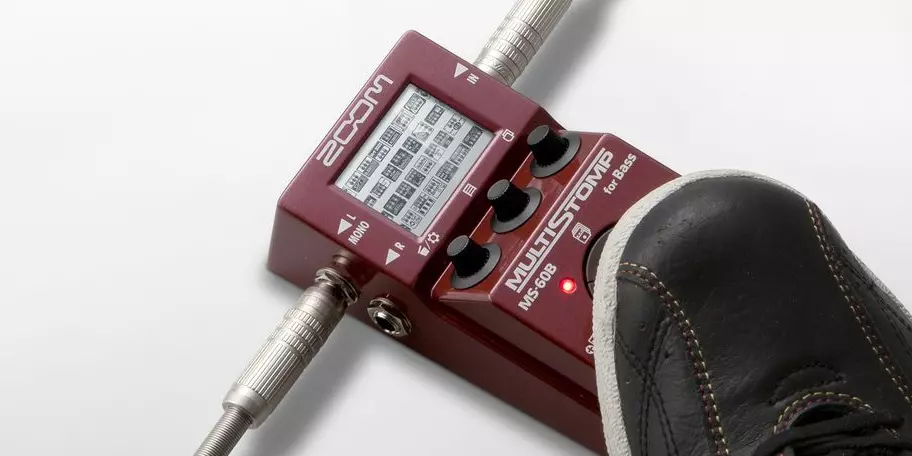
Pedals are tricky when it comes to the bass. Pedals can add depth and variety to your playing. You may think the more you have, the better variety, but there is a school of thought that the fewer the pedals, the better. You can get away without a large array of pedals and just choose a few well-rounded ones.
Ultimately, the best pedal will be the one you can afford, that is easy to use and works best for your sound.
We have a great blog that dives into more detail, explaining the different types of bass effects. For now, here is a summary of a few great starter pedals to look into.
Great Beginner Pedals to Consider
SansAmp Bass Driver with DI
A SansAmp bass driver functions as a preamp to boost your bass signal, an amplifier emulator to provide a variety of bass tones, and a DI (Direct Box). It allows you to send a balanced XLR signal to a mixer or PA while offering a parallel output connection to an amp.
A great example of this technology is the Tech 21 SansAmp Bass Driver DI V2. This model will get you everything mentioned, plus a little more.
Compressor Pedal
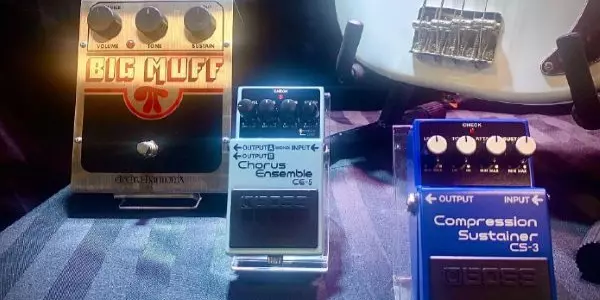
The next pedal you should invest in is a compressor pedal. A compressor pedal evens out the dynamics of your bass guitar, making the loud notes quieter and the quiet notes louder. This results in a more consistent and balanced sound that fits better in the mix regardless of your playing style.
A go-to pedal to invest in is the Boss Compression Sustainer. This pedal is great for beginners and seasoned pros alike.
Fuzz Pedal
Although there are probably a few more pedals that you can use, for the sake of brevity, I am going to suggest just one more pedal. A fuzz pedal is the one to get if you like that over-the-top, gritty, heavily distorted sound. A fuzz pedal creates a distorted, broken sound that can be aggressive and heavy.
The Electro-Harmonix Bass Big Muff is an excellent choice to achieve that aggressive, angry sound.
5. Tuner
A tuner is arguably the single most important accessory you will purchase. A good tuner will not only keep you playing as a beginner, but it will also keep the aggravation of your bandmates at bay if you are not playing in tune.
What to Consider When Shopping for a Tuner
There are two types of tuners to look at, and you are going to need both: a clip-on tuner & a pedal tuner.
Clip-On Tuner
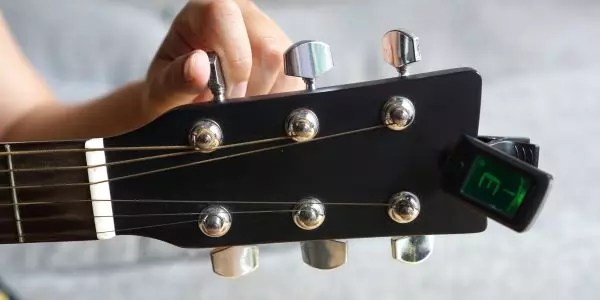
The first is a clip-on tuner. This tuner clips onto the headstock of your bass and tunes chromatically, meaning it will tune any of the twelve notes within an octave, including sharps and flats.
It is also super easy to use. Clip it on, pluck the bass string and tune it to the desired note. When the note shows the green triangle, you are in tune. The red lines indicate flat (too low), and the yellow lines indicate sharp (too high).
The clip-on tuner to buy is the Snark Super Tight Chromatic Clip-On Tuner. They are small enough to fit in any case and inexpensive enough to have more than one (I have three).
Pedal Tuner
When you want to move up to a more pro-level tuner, a pedal tuner is the way to go. Placed at the beginning of your pedal board, you can cut off the signal to the speaker and board with a touch of the pedal and tune in silence without anyone else hearing it. Hit the pedal again, and you are ready to go.
The pedal to get is the Boss TU-3 Chromatic Tuner. This is the industry standard and built to last. There is a bit of a learning curve to figure out what all the indicators mean, but once you get used to it, the TU-3 is a pedal you'll use forever.
6. Bonus: Picks
We have a bonus accessory, the guitar pick. This is certainly a hot topic among bass players. Should you use a pick? The answer is simple. It is up to you. Use it if the song calls for it.
You will become a more versatile player if your technique includes the use of a pick. If you play a more aggressive eighth-note (or sixteenth-note) driving rhythm, then a pick is definitely required. A pick will give you a brighter, sharper tone that a lot of heavy metal or hard-driving rock is needed to punch a hole in the back wall of the venue.
What to Consider When Shopping for a Guitar Pick
There are 4 considerations you must make when choosing a pick, they are:
- Material
- Thickness
- Shape
- Bevel
We wrote a more in-depth blog on how to choose the right guitar pick, which you can read more about next.
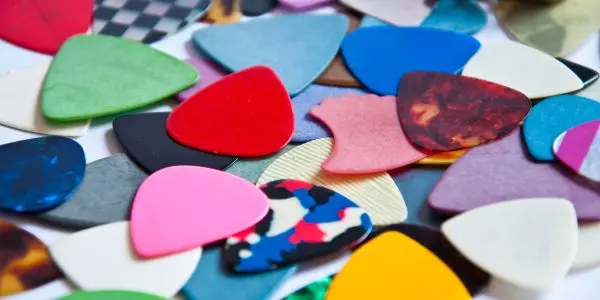
When choosing a pick, get a thicker, heavier one that will not bend over your bass strings. The Dunlop Tortex Standard Player Pack (12 Pack)-1.14 mm (Model 418P-1.14) is a popular choice among bass players who use a pick. In addition, a 12-pack will keep you in stock after losing a few (and you will). However, it is important to try different picks to get a feel for what you are most comfortable with.
Ready to Upgrade Your Bass Setup?
Being a bass player does not mean you are limited to your accessories. There are plenty of options out there for both the aspiring musician and grizzled veteran.
We have only touched on 6 must-have accessories here, but there are far more choices to add to your arsenal. Extra cables, tools, strap-locks, headphones, fret wraps, stands, hangers, etc. Of course, there is always another bass guitar.
Shop online or visit your local Long & McQuade store for all your bass guitar accessories and equipment. We offer a huge selection of bass gear, along with flexible finance options and convenient bass rental programs to help you get exactly what you need.
Happy bass playing.