resized.webp "The Traditional Tonewoods of Electric Bass")
How to Record Great Bass Sound at Home
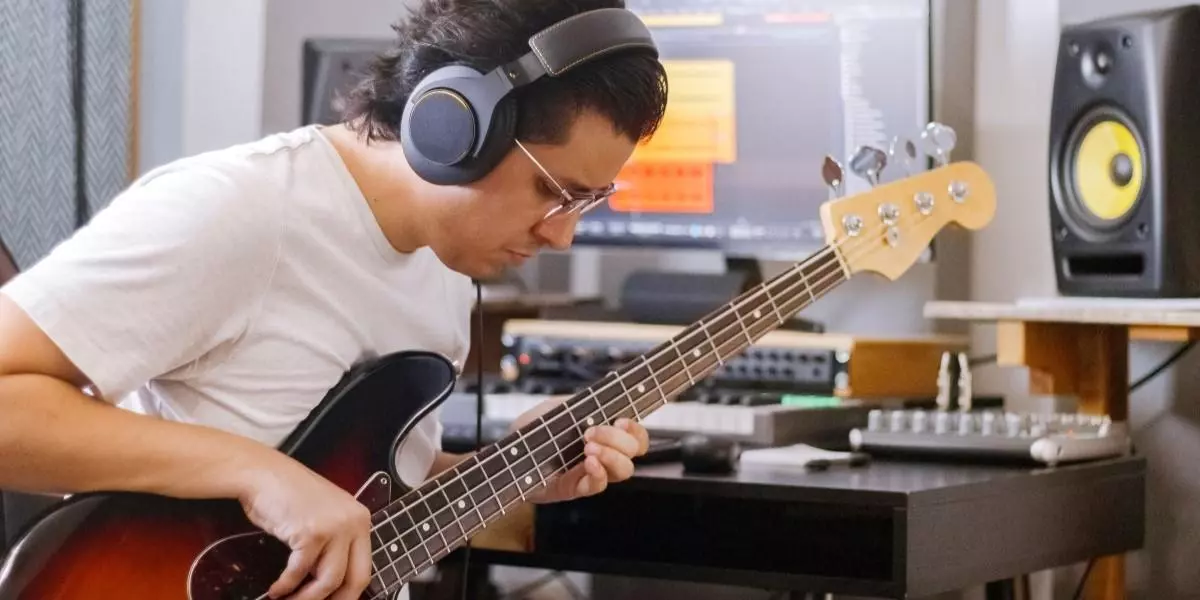
Recording your bass tone just as you want can be a fun but tricky process in a professional recording studio – and it can be even more challenging at home.
While most professional studios offer high-quality equipment and a well-trained engineer at your disposal, home recordings provide flexibility, comfort, time and control. Home recording sessions are all about getting the best possible results out of the gear and recording knowledge you have.
This blog will cover recording techniques for recording bass during your home recording session and making it sound great.
Step 1: Set Up Your Bass
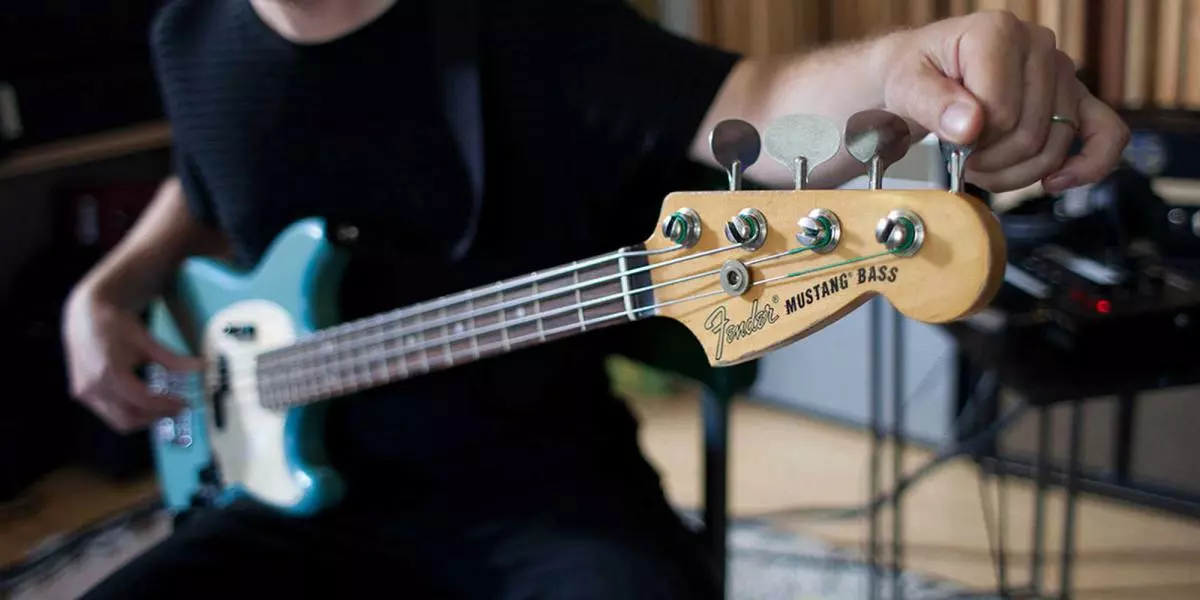
First, ensure your bass guitar is tuned and in good working order. A fresh set of bass guitar strings can go a long way toward a clear, bright tone. Musicians favour older strings for a warmer, more subdued sound. Old strings can throw off your instrument’s intonation, so check your tuning up the fretboard.
If you have problems with your bass guitar and don't know how to fix them, such as replacing or changing your strings, take it to a Long & McQuade store. They can check it and set it up for you.
Step 2: Preparing Your Recording Equipment
The next step is to set up your recording equipment. Proper equipment setup will significantly enhance the success of your music production sessions. Let's set up the recording interface.
Home recordings typically use a USB audio interface, such as the Universal Audio Volt 2 USB Interface, or a standalone multitrack recorder, such as the PreSonus StudioLive AR8c 8-Channel USB Hybrid Performance/Recording Mixer. This article will focus on using a USB recording interface, which is the more common option today.
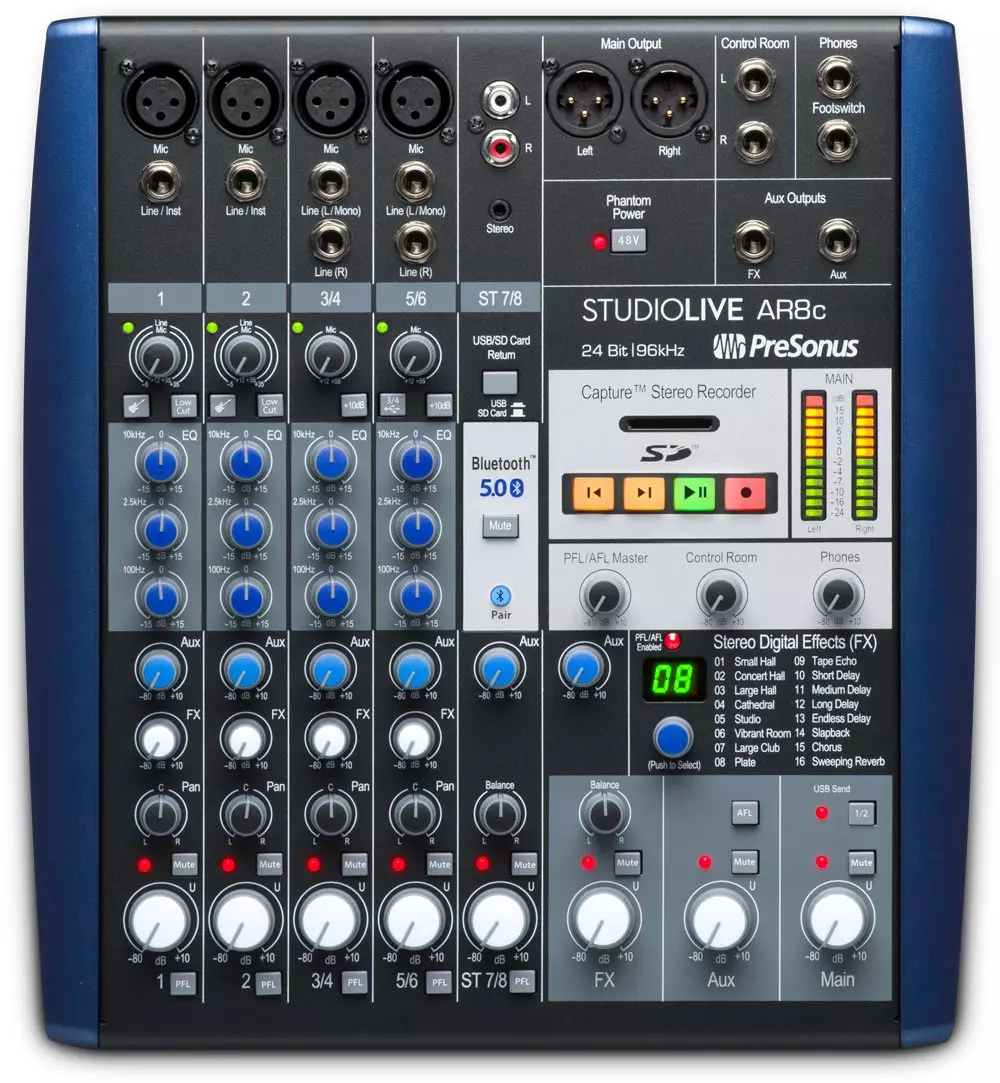
PreSonus StudioLive AR8c 8-Channel USB Hybrid Performance/Recording Mixer
Many instruments record best with a microphone. The most common type of microphone used to record instruments is a condenser microphone. Condenser mics are the best option for capturing the most precise and detailed sound possible from acoustic instruments. They also deliver the best tone when capturing the sound of an electric guitar or bass amplifier.
When recording electric bass, you don't need to mic an amp up - a direct signal is usable and preferred in many cases. However, suppose you have an amplifier, such as an Ashdown Studio 12 Combo, a Shure SM57 Unidirectional Dynamic Microphone, and a living space with an acceptable level of amplified volume.
In this case, I'd recommend setting that up and getting a mic'd signal path. Experiment with the microphone's placement relative to the speaker cone. Many online articles can assist you with this process.