
Bass Guitar Basics
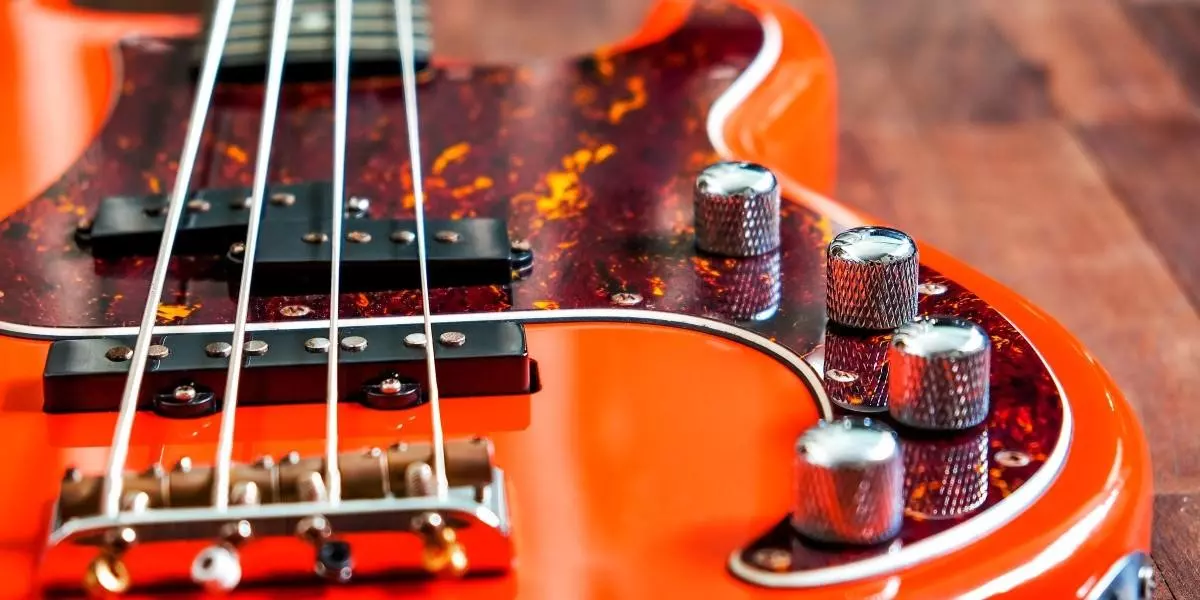
When it comes to being in a band, everyone wants to play guitar or be a singer. The bass player usually stays out of the spotlight, holding the band together. Now, you’re looking to start a band with your buddies, and they chose you as the bass player—but you’ve never played the instrument before.
This article will explain how to choose a bass guitar, its components, and the bass guitar basics you should know to become a solid player.
Choosing a Bass Guitar Brand
How do you pick a bass guitar? This decision depends largely on your budget. Most brands offer both budget-friendly options and higher-end models made with premium materials.
A popular brand is Fender, which offers two standard models: the Jazz and the Precision. In 1951, Leo Fender introduced the Precision Bass (P-Bass), featuring a fretted neck for precise intonation. In 1960, Fender introduced the Jazz Bass with a narrower, rounded neck designed for jazz players.
These are workhorse basses but can be pricey. For a more affordable option, Squier basses offer excellent value with similar configurations at a lower cost.
Bass Guitar Recommendations
Your local Long & McQuade carries a wide range of bass guitars, including the Gibson Thunderbird, Ibanez SR, MusicMan Stingray, and the Hofner.
Most brands also offer budget-friendly alternatives, making it easy to find the right bass with proper guidance.
- Fender J-Bass
- Fender P-Bass
- Squier J-Bass
- Squier P-Bass
- Gibson Thunderbird
- Epiphone Thunderbird
- Ibanez SR
- Ibanez GSR
- Ernie Ball Music Man DarkRay
- Sterling by Music Man Stingray
- Hofner Violin Bass
- Hofner Ignition Pro Club
Choosing a Scale Length: Long-Scale or Short-Scale?
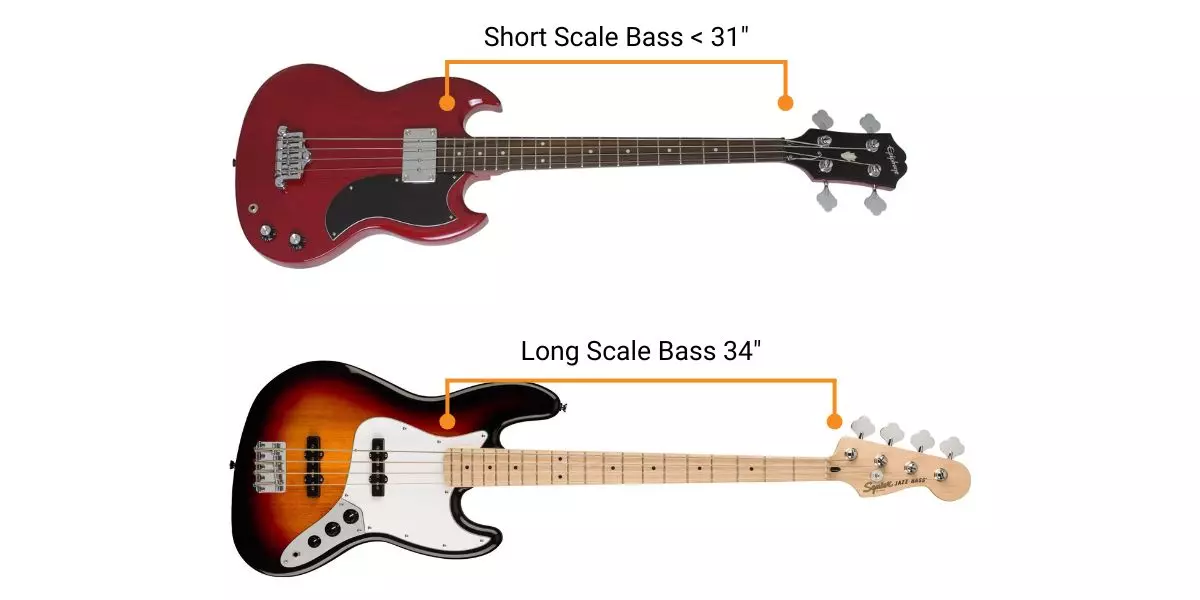
Scale length is the distance between the nut and the bridge. Standard long-scale basses measure 34 inches, as introduced by Leo Fender.
Short-scale basses measure under 31 inches. They feature shorter necks, reduced fret spacing, and a compact feel, making them ideal for smaller players or those exploring different ergonomic options.
Short-scale basses are not just for beginners—Bill Wyman of the Rolling Stones famously used one.
Passive and Active Knobs
Most basses have volume and tone controls. Passive basses use pickups only and produce a round, warm sound favoured in rock, blues, and jazz.
Active basses use a battery-powered preamp and feature multiple tone-shaping knobs, delivering a bright, punchy sound popular in metal, funk, and fusion.
Pickups: Single-Coil or Dual-Coil?
Pickups convert string vibrations into sound. Single-coil pickups produce bright, snappy tones. Dual-coil pickups offer a warmer, fuller sound and eliminate electrical hum.
Tuning Your Guitar
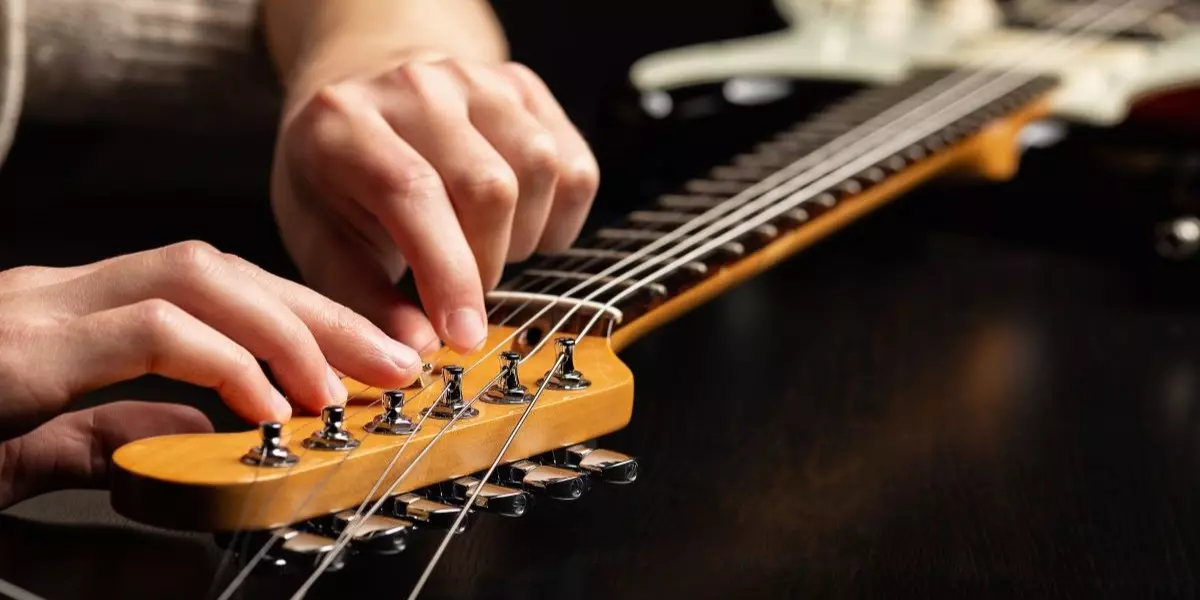
A guitar tuner is one of the most important accessories for your bass.
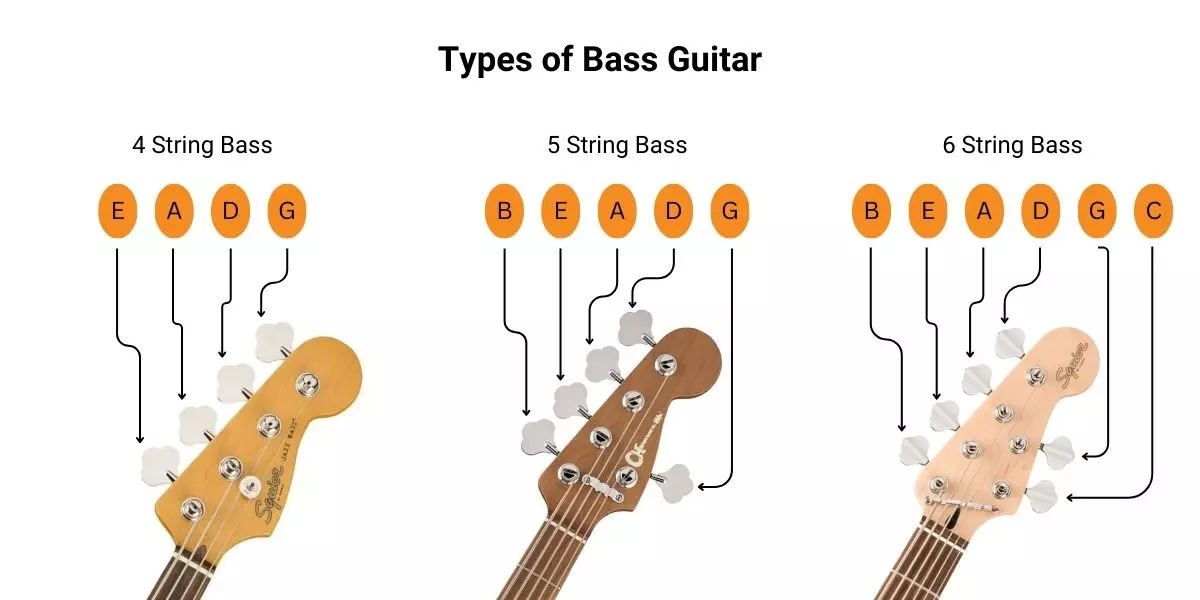
Standard bass tuning is E, A, D, and G. Five-string basses add a low B, and six-string basses add both low B and high E.
Guitar Tuner Recommendations
Bass String Types and Which to Choose
- Roundwound
- Flatwound
- Half-round
- Tapewound
Roundwounds are bright and aggressive. Flatwounds are smooth with vintage warmth. Halfwounds balance both. Tapewounds emulate upright bass tone.
Bass String Recommendations
- Roundwound: Ernie Ball Regular Slinky
- Flatwound: Ernie Ball Regular Slinky
- Halfwound: D’Addario Half Rounds
- Tapewound: Fender Nylon Bass Strings
Time to Practice With Your New Bass Guitar
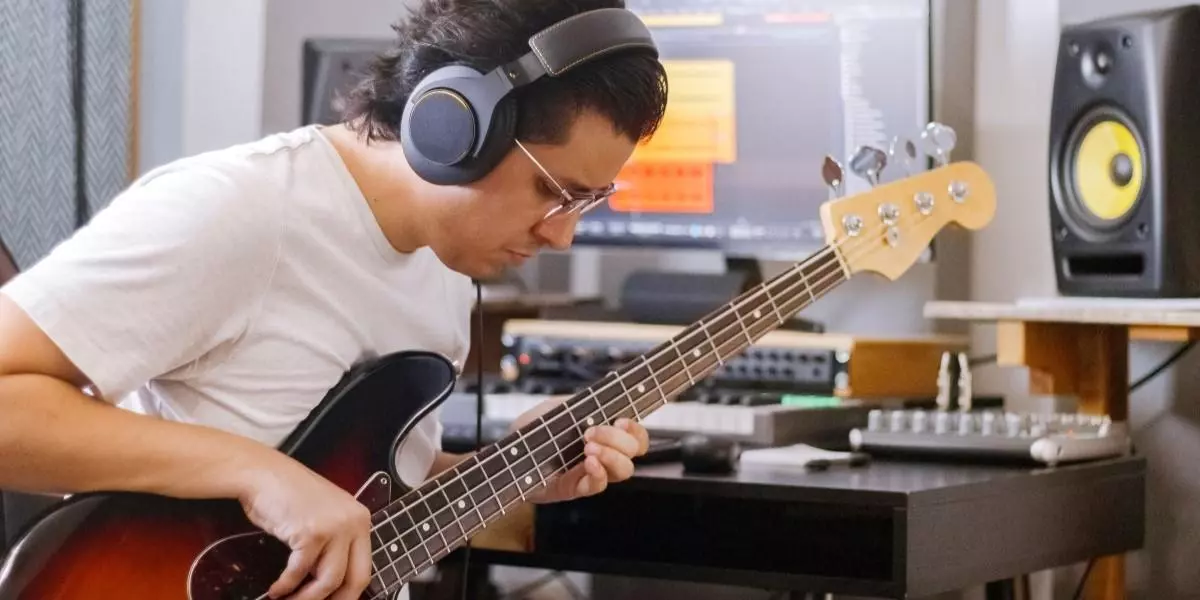
Once you’ve selected your bass, it’s time to practice. Bass lessons are the fastest way to build proper technique and musical confidence.
In-house financing is available to make purchasing more flexible.
Practice consistently, take your time, and enjoy the learning process.