


Make Headphones Sound Better with the Harman Curve
I Found Out Why Some Headphones Just Sound Right — It’s Called the Harman Curve
Have you ever tried a pair of headphones and instantly thought, “Wow, these sound amazing,” but couldn’t quite explain why?
That happened to me recently, and it sent me down a rabbit hole. I started wondering: why do some headphones sound perfectly balanced, while others feel too bass-heavy, too sharp, or just… off?
That’s when I stumbled upon something called the Harman Curve, and let me tell you—it blew my mind.
What Is the Harman Curve?
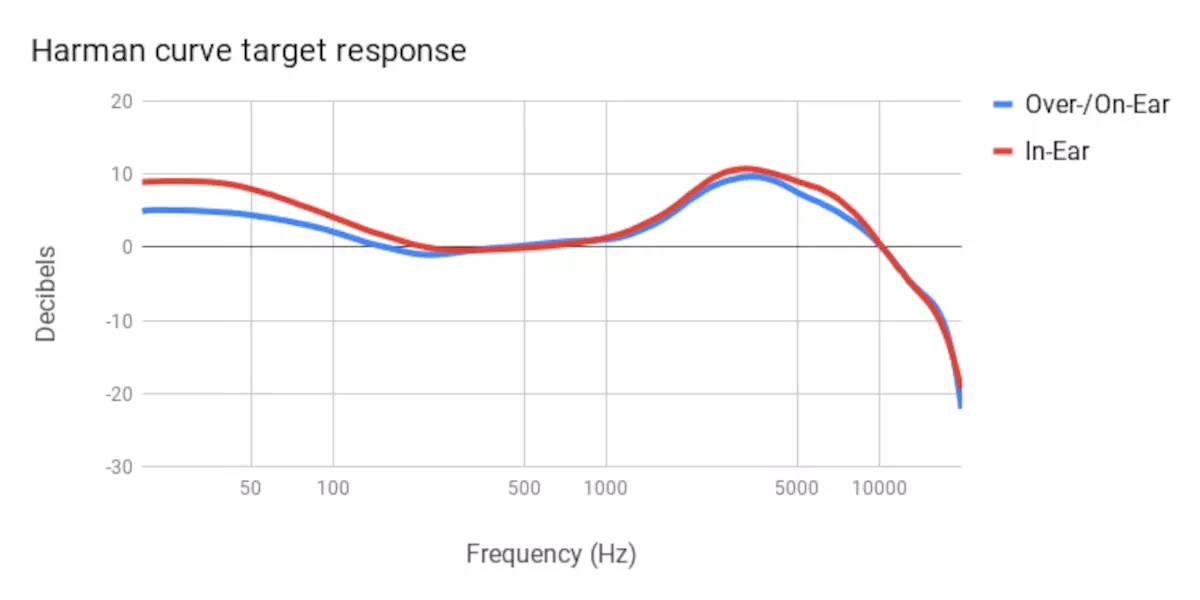
In simple terms, the Harman Curve is a kind of sound recipe. It’s a target frequency response for headphones and loudspeakers, designed to make music sound just right to most people.
Think of it this way: when you're listening to music through speakers in a good room where everything sounds clear, rich, and full, that's the experience the Harman Curve aims to recreate with headphones.
It’s not a flat, boring line like you might expect from “accurate” sound. It has high frequencies with a bass boost, smooth mids, and a touch of sparkle in the highs. In other words, it increases the listener's experience with full, clear, and exciting sounds without being overdone.
How the Harman Curve Was Created
The curve was created by researchers at Harman International (the company behind JBL and AKG). They conducted extensive listening tests with hundreds of people every day and analyzed which headphones sounded best. After analyzing all the data, they developed a curve that matches what most people find enjoyable.
What surprised me is that it's not about chasing "perfect" sound, it's about what sounds best to our ears in real-world listening.
Why Should You Care About the Harman Curve?
If you’re someone who:
- Loves music but can’t explain why some headphones sound better than others,
- Spends too much time reading reviews, trying to find “the best” pair,
- Or wants your music to sound its absolute best…
Understanding the Harman Curve can be helpful. It’s like a shortcut to better sound. Headphones tuned to the Harman curve tend to sound more natural, more immersive, and more enjoyable without needing fancy audio gear or expensive upgrades.
Cool Facts About the Harman Curve
- Not all headphones follow the Harman Curve, but many high-end and mid-range ones do have a similar frequency range.
- More bass doesn’t mean better sound signature—but the right amount, like the Harman Curve includes, makes music feel more alive and sound good.
- You can even EQ your headphones to match the tonal balance of the Harman Curve using apps like Wavelet or Equalizer APO.
Final Thoughts
I honestly thought “good sound” was super subjective—and it kind of is—but this discovery shows there’s a science behind why some headphones hit that sweet spot.
The Harman Curve isn’t about making everything sound the same; it’s about making music feel the way it’s supposed to sound: rich, full, and true to life.
So next time you’re shopping for headphones or tweaking your EQ settings, keep the Harman Curve in mind. It might just change the way you listen to music, as it did for me.