
The Future of AI in Audio Engineering
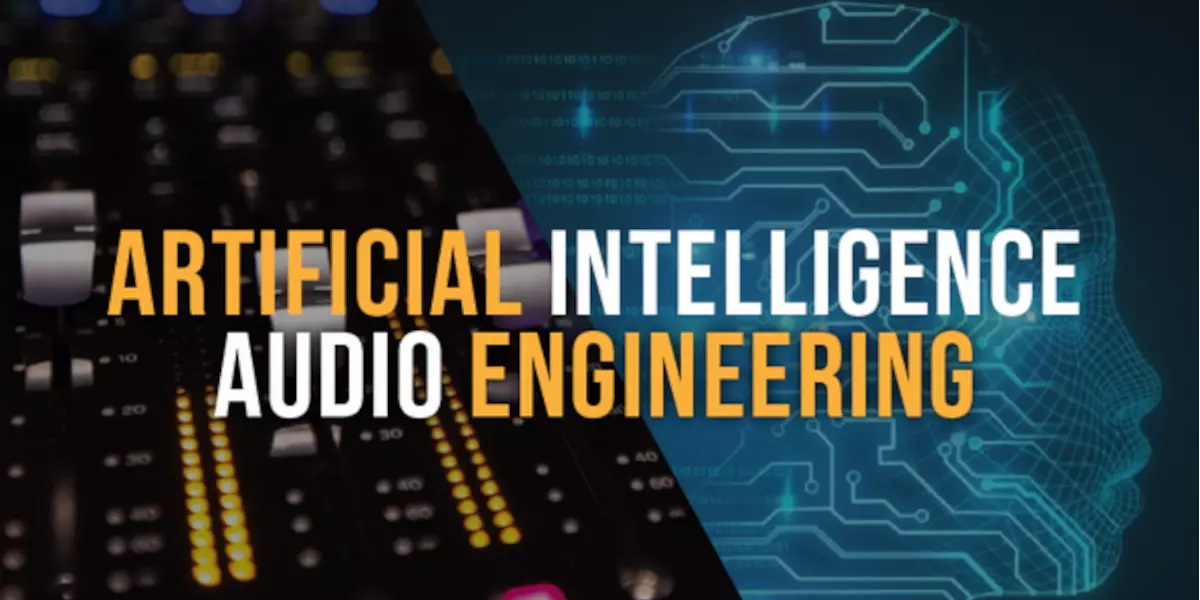
As someone deeply passionate about sound and the audio industry, I’ve always been drawn to the art and science behind audio engineering. There’s something magical about shaping frequencies, dialing in a mix, and restoring clarity to recordings. Whether I’m experimenting with plugins or learning new techniques, audio production has always been my creative playground.
But recently, that playground expanded.
I’ve started diving into the world of Artificial Intelligence, especially as I prepare to pursue a Master's in Artificial Intelligence & Machine Learning. What AI is doing in the audio engineering space is honestly impressive. New technological advancements in AI are transforming how we create, edit, and experience sound in a cool and futuristic new way.
The future of audio engineering is rapidly changing, and here’s what I’ve discovered so far on this journey.
Automated Mixing and Mastering – A Game-Changer
One of the first things that impressed me was how far AI has come in mixing and mastering. I used to think these processes had to be done by trained professionals with expensive equipment. While that’s still true for top-tier productions, AI tools are closing the gap quickly.
Tools like LANDR and iZotope Ozone analyze your track and apply intelligent EQ, compression, and spatial effects. I uploaded a raw track to test this, and within minutes, it came back sounding polished and loudness-balanced without touching a single fader.
The goal of this cutting-edge technology is not to replace engineers; it’s to give creators access to high-quality results, even when working solo.
Noise Reduction and Audio Cleanup with Just One Click
This one genuinely felt like magic. Anyone who’s ever recorded vocals in a less-than-perfect space knows the pain of dealing with background noise, hums, or reverb.
I tested iZotope RX and Adobe Enhance Speech, which clean up audio with remarkable precision. I ran a noisy field recording through RX, and it isolated the voice from the ambient noise like a pro. What used to take hours of audio processing with manual EQ and denoising now takes seconds.
These noise reduction tools with AI aren’t just time-savers—they make high-quality production accessible to podcasters, music producers, filmmakers, and musicians working with limited resources.
AI-Generated Voices and Music
I experimented with voice synthesis tools such as Descript’s Overdub, ElevenLabs, and the results were almost indistinguishable from human speech. You can type out a script, and the AI reads it in your voice or any voice you train it with. These AI-powered tools are ideal for correcting missed lines or adding voiceovers on the fly.
For music generation, AI platforms such as AIVA and Magenta Studio can generate melodies or entire compositions. I gave them a genre and a few parameters, and they delivered ready-to-use generative music. While it’s not a replacement for human emotion, and I doubt the music industry needs to worry about AI, it’s a powerful tool for inspiration and rapid content creation.
Source Separation and Stems on Demand
This one’s a DJ and remixer’s dream.
I uploaded a full track to Moises.ai, and it instantly separated the vocals, drums, bass, and other instruments into individual stems. Just a few years ago, this was only possible with access to the original session files. Now, I can isolate vocals for a remix or extract the drums to study how a beat was built.
The idea that, in the future, sound engineers will be able to generate an audio file for a film, mixtape, or video game, download it in any required audio format, and use it for creation is blowing my mind. For educators, remix artists, and karaoke enthusiasts alike, this is incredibly useful.
Live Sound That Adjusts Itself
As someone who’s dabbled in live sound mixing, I know how chaotic it can get—especially when feedback or level mismatches creep in. That’s why I was impressed by the latest AI-driven digital mixers from brands like Yamaha and Allen & Heath.
These systems can detect feedback frequencies and suppress them automatically, adjust input gains, and balance levels in real-time. It’s like having a smart assistant constantly optimizing the mix during a show.
More Accessible Audio for Everyone
Something that stood out is how AI is improving accessibility. I tested AI captioning tools such as Whisper (by OpenAI) and found they transcribe audio in real time with impressive accuracy. Plus, apps like Nura and Audeara personalize playback based on your hearing profile, creating a custom audio experience.
This isn’t just cool—it’s meaningful. Machine learning in Audio is helping more people experience and interact with sound in ways that were previously out of reach.
Some Big Questions We Need to Ask
As exciting as this is, I’ve started thinking more critically about the implications. If AI can mix, master, and even create music, where does that leave human engineers and artists? Are we heading toward a future where authenticity becomes blurred?
There’s also the legal gray area—who owns an AI-generated track? Can I remix a song using stems extracted by AI without violating copyright?
These are questions we don’t yet have all the answers to, but they’re worth asking.
AI Is Not Replacing Us, But Empowering Us
What this journey has shown me is that AI isn’t some threat to creativity—it’s more like a new tool that expands what we’re capable of. Audio engineers or artists are not meant to be replaced; they are meant to support us by handling the boring, repetitive work. That way, we can focus more on what truly matters: the emotion, the storytelling, the creative spark.
I’ll always believe there’s something special about the human touch in sound. But now, with AI in my workflow, I feel I have more space to experiment, try new ideas, and create without getting stuck in the technical weeds.
At the end of the day, that’s what audio engineering has always been for me—curiosity, creativity, and connection. And with AI by my side, that experience feels more exciting than ever.