Are Preamps the Secret to Pro Recordings?
For those jumping into home recording and fantasizing about simply plugging in a bunch of mics and getting a world-class recording, there are a few preamp tips you should know. This blog will cover what a preamp is and what they do, how much they cost, and provide product recommendations for all budgets.
What is a Preamp/Preamplifier?
In short, a preamplifier (preamp for short) is a device that amplifies your microphone or instrument input signal. It adds juice, pop, and flavour, depending on the preamp you use.
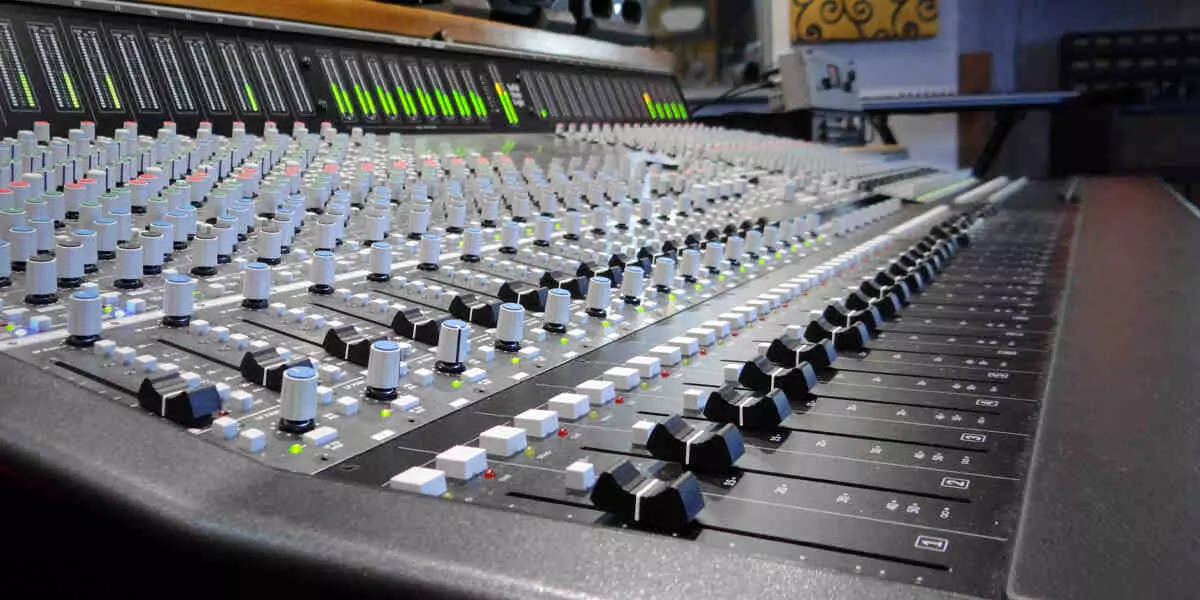
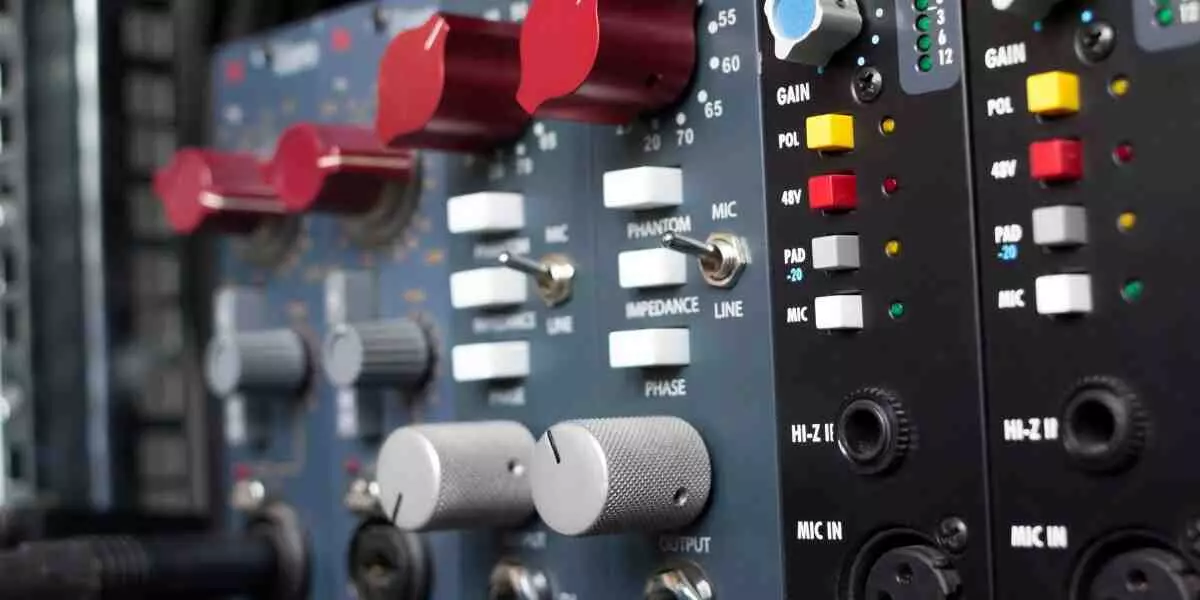
All audio interfaces include built-in preamps; some are top-of-the-line, while others are entry-level or flatter, more neutral. Have you ever seen photos or videos of high-end recording studios with stacks of rack gear around the control room or mixing console? Typically, you’re looking at preamps, compressors, limiters, EQs, effects, and more. This is the secret sauce for a great drum sound, a silky vocal performance, a killer bass tone, and huge walls of rhythm guitar.
How much is a Preamp/Preamplifier?
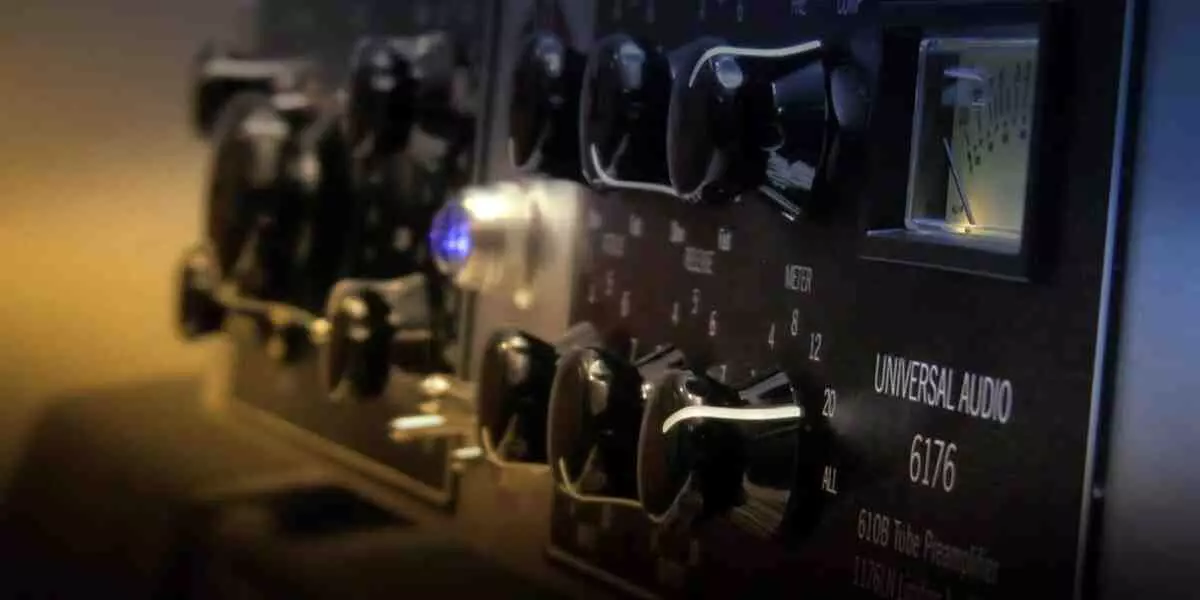
Rack-mounted preamps range from $350 to well over $8,000, depending on your budget and your level of expertise. One of the best preamp/compressor combos on the market is the Universal Audio 6176, which retails in the range of $4,299.
At my home studio, I use an ART TubeOpto 8 (8-channel tube preamp) for my drum mics, which cost around $750 and performs outstandingly. My drums went from sounding flat and tinny to thick and rich with this one piece of gear.
After years of trying and using preamps at every price point, I can tell you that if you are looking to elevate your home studio’s sound to a truly pro level, it's highly recommended to check YouTube and dig into this subject.
To get you started on your research, watch the video below, which compares 6 ART preamps across price points ranging from consumer-grade portable units to studio-grade rack-mounted units.
What Style of Music Works Best With a Preamp/Preamplifier?
Some preamps cater to different sounds and genres, including metal, jazz, rock, blues, folk, instrumental and more. In many cases, the preamp you use depends on the sound you’re working with. For example:
- A producer or engineer might consider the UA 6176 for electric bass, acoustic guitar, or mic’d guitar amp.
- A Neve 1073 preamp/EQ might be a go-to for vocals, since it also has a built-in EQ and offers a beautiful vintage flavour to its processing.
- The UA 610 is a classic preamp that has been heard on countless hit records (Taylor Swift — 1989, The Beach Boys — Pet Sounds, The Doors — L.A. Woman, The Black Keys — Brothers) and features a warm tone for vocals, guitars, and other instrumentation.
How Much Should I Spend on a Preamp/Preamplifier?
There are both affordable, beginner-friendly preamps and professional, studio-grade preamps.
Beginner-Friendly Budget Preamps
Depending on your budget, you may want to consider less expensive clone options. Here are a few examples of budget-friendly preamps for beginners:
- Warm Audio WA73-EQ
- Warm Audio Toneshaping Discrete Mic Preamp TB12-BLACK
- Heritage Audio HA73
- Behringer 676
- Golden Age Project PRE‑73
There are no rules about which preamp or hardware you must use for specific instrumentation in a given genre of music. The best preamp for you is one that fits your budget and sounds good to you.
Dedicated Preamps for Advanced Users
For recording enthusiasts with a bigger budget, there are excellent options available. It’s highly recommended to invest in at least one dedicated preamp for your studio so you can truly hear the difference it can make in your production.
However, if you prefer to simplify your setup, purchasing hardware with an integrated preamp is a great way to improve your cable management. For example, check out our video review of the SSL Revival 4000 Signature Analogue Channel Strip, which includes a Jensen transformer-balanced preamp (JT-115K-E).
While most classic hardware preamps now have digital plug-in versions that work very well, the hardware experience is still hard to beat. Although preamps play a major role in overall audio quality, microphone choice is just as important. Lower-end mics will yield low-to-mid-level results, while higher-end mics can significantly elevate the quality of your production.
Simply put, you get what you pay for, so be sure to dig deep in your research here as well.
Visit Long & McQuade & Shop Preamps
For those of you who love to browse local Long & McQuade stores, don't be shy about asking questions about preamps or other pro-audio gear. This is how I got started more than 20 years ago. You're likely to run into a staff member who is an audio production expert and would love to discuss the topics above and help you on your pro-audio journey.
Cheers and happy recording!