
Absorption vs Diffusion for Acoustic Treatment
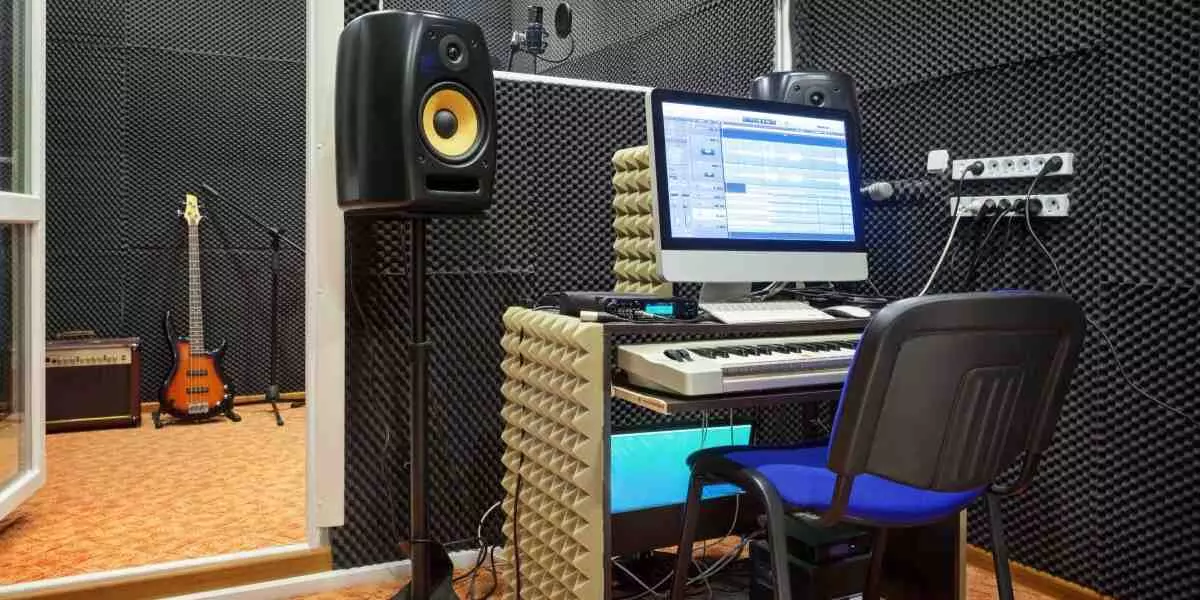
Acoustic treatment is a concept that many find confusing or even overwhelming. In this article, we'll break down what acoustic treatment is and the key differences between absorption and diffusion. We’ll also recommend products to improve your sound dampening.
What is Acoustic Treatment?
Let’s begin with some basic principles of acoustics. Sound is perceived through our ears when pressure variations in the air cause our eardrums to vibrate. These sound waves, travelling at around 350 meters per second, spread out from their source and move through the air.
As they travel, they collide with surfaces, bouncing off them and losing energy in the process. This reflection of sound waves is what we perceive as reverberation. For example, imagine being in a large, empty hall and clapping your hands. You hear the initial clap, but the sound will continue to echo as the waves bounce and dissipate.
Acoustic treatment focuses on managing the reverberation within a room. When sound waves interact, they can combine in two ways:
- Constructive interference: where their energies reinforce each other, or
- Destructive interference: where they cancel each other out.
Both phenomena can distort sound quality in a room, negatively affecting our perception of the audio.
Why should I treat my room?
All rooms, regardless of size, experience acoustic distortion and interference from colliding sound waves. Acoustic treatment can enhance audio quality in many settings. Vocal performances and recordings become clearer and more intelligible, revealing finer details and nuances.
Stringed instruments, such as guitars and violins, produce a fuller, richer sound with greater harmonic depth. Percussion instruments are less harsh and gain more punch and impact. With proper acoustic treatment, you can hear the speakers' true sound. This helps you notice more depth and width in audio recordings.
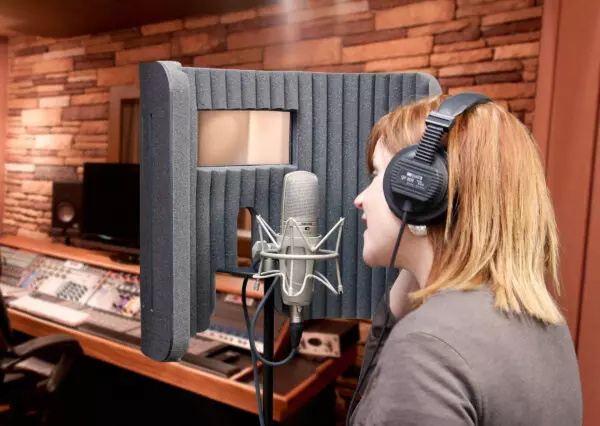
Places That Can Receive Acoustic Treatment
These benefits of acoustic treatment extend beyond recording studios. It can improve sound quality in virtually any room, including:
- Movie theatres
- Places of worship
- Live music venues
- Business meeting rooms and
- Coffee shops and restaurants
Absorption vs Diffusion
Absorption
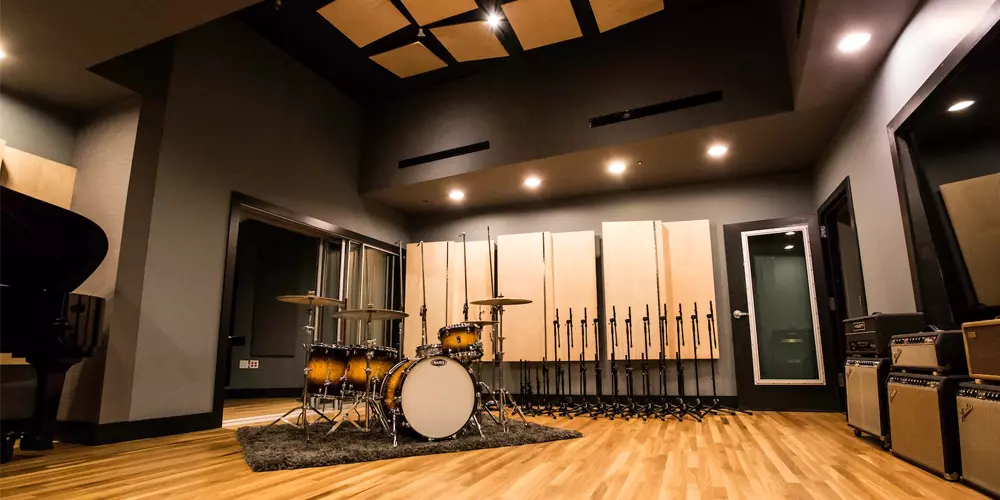
The most common form of acoustic treatment is absorption. Absorption is typically achieved using dense, porous materials such as open-cell foam, fibreglass, or mineral wool.
While materials such as carpets, blankets, and thick curtains can absorb sound, they are generally less effective. Think of these materials as a sonic trap—sound enters but doesn't escape. Absorption works because porous or fibrous materials have a large surface area, which creates friction that turns sound energy into heat.
Absorption panels come in various sizes and thicknesses. Thinner panels, known as 'Broadband Absorbers,' are effective at absorbing higher treble and mid-range frequencies but less effective at handling low bass.
Bass frequencies are longer waves and carry more energy, requiring thicker panels, often referred to as 'Bass Traps.' These are usually placed in room corners, where low frequencies tend to accumulate, and there’s more space to accommodate the additional mass. Additionally, creating an air gap between an absorption panel and the wall boosts its performance.
The gap allows the panel to interact with sound waves in two stages: absorbing the sound that passes through and reducing reflections off the wall behind it. The larger the air gap, the more effective the absorption becomes.

Diffusion
Diffusion is essentially the opposite of absorption, using hard, dense surfaces arranged to scatter reflected sound waves. The effect of a diffusion panel is similar to that of a white lampshade, softening the intensity and harshness of light.
In this case, a diffusion panel helps to soften and evenly distribute sound throughout the room. Diffusion panels are most effective in larger spaces, particularly those over 15 feet, as they allow sound waves to spread more evenly. When combined with absorption panels, diffusion panels provide the best results, creating a room that feels controlled yet open and balanced.
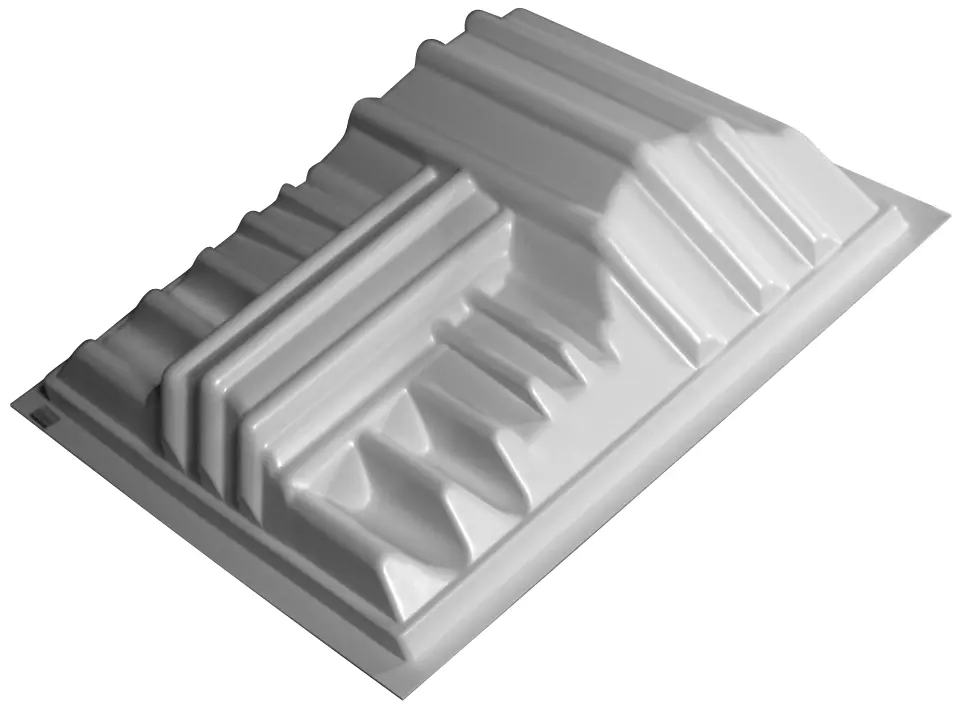
Auralex T'Fusor Sound Diffusor
Pressure
There is a 3rd type that is less common and less practical for everyday use. Pressure-based devices are more complex and costly. Think of pressure devices as a type of sound ‘shock absorber’ rather than friction ‘brakes’ compared to absorption panels.
Pressure-based acoustic treatments include sealed panels, limp mass membranes, and Helmholtz resonators. These devices all rely on calculated enclosure volumes that match a specific problematic frequency in the room, reducing that frequency.
Although highly effective, they work only within narrow frequency bands and are impractical for smaller rooms due to their size and cost.
Products That Help With Acoustic Treatment
Let’s explore practical, cost-effective acoustic treatment options. Acoustic treatment can significantly enhance audio quality, but achieving this in a small room or a budget-limited setup can be challenging.
Reflection Filter
For many vocalists in such situations, a great solution is a Reflection Filter. This absorptive material is mounted around the microphone, serving as a shield to reduce unwanted reverberation and produce cleaner recordings. Reflection filters are not only affordable but also portable, providing acoustic treatment wherever you go.
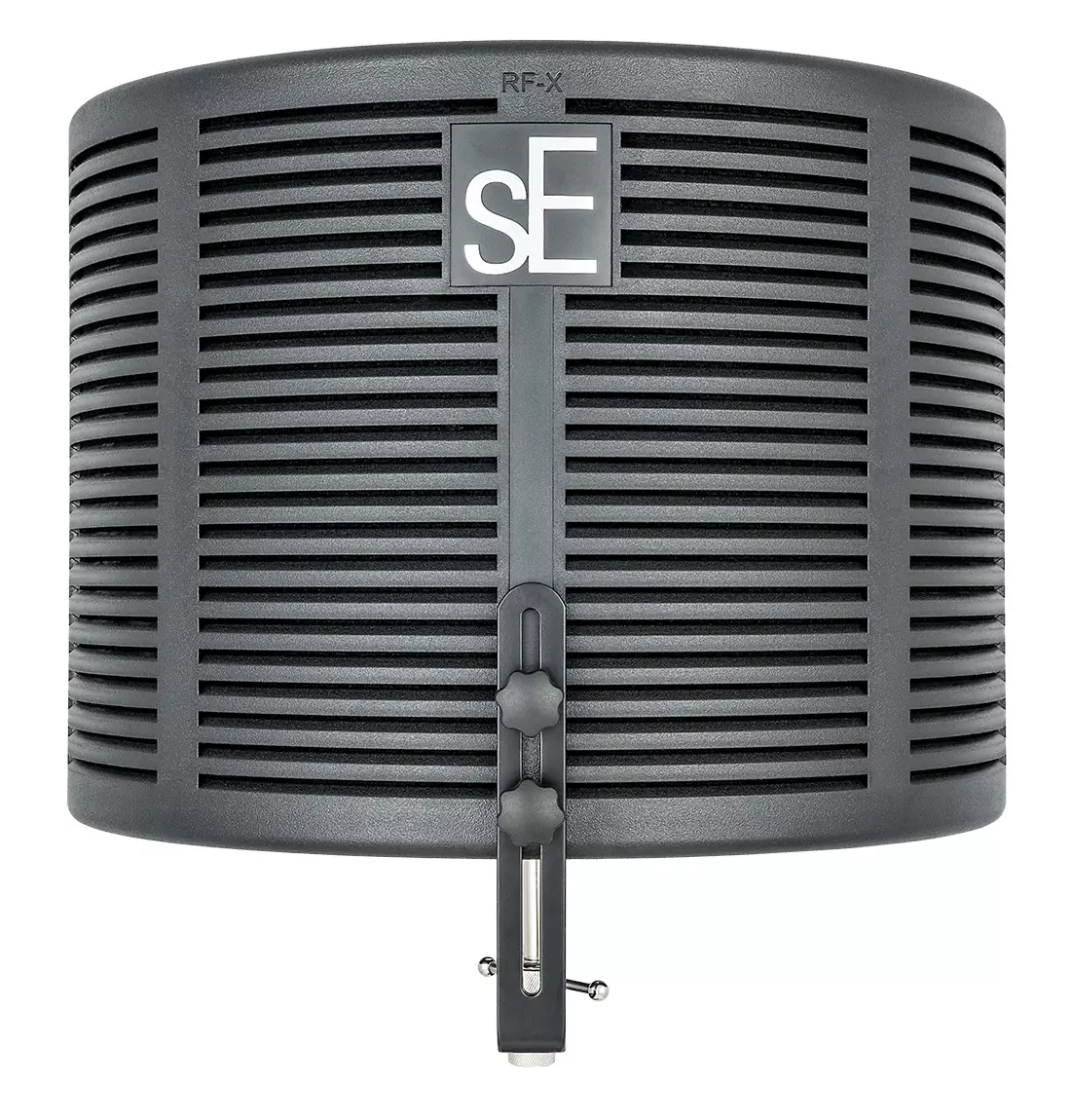
SE Electronics RF-X Reflextion Filter
Absorption Panels
Next, let's look at a basic room setup ideal for musicians and vocalists on a limited budget. Installing broadband absorption panels at 4- to 6-foot intervals along a room's side walls can significantly improve overall acoustics.
These panels come in various manageable sizes and are easy to hang. They are similar to picture frames and require no special tools. Broadband absorbers are available in pre-designed sets tailored to your room size and budget, making them an accessible and effective solution for better sound.
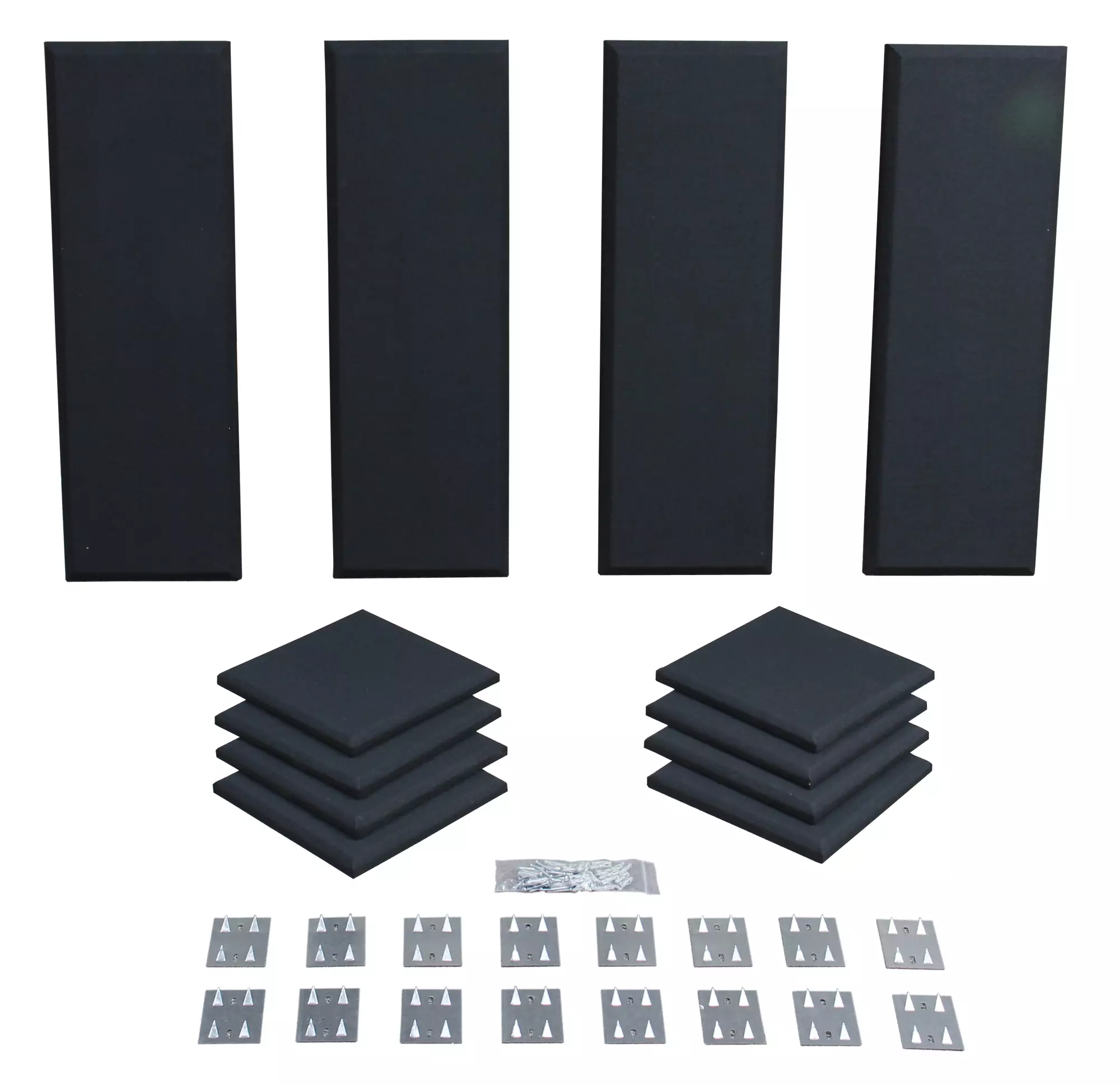
Primacoustic London 8-room kit
Room Kits
Having a home studio for recording and mixing offers unmatched convenience and cost savings, allowing you to work from the comfort of your own space without paying hourly rates at a professional studio. However, many home studio engineers struggle with getting their mixes to translate well across different speaker systems.
I experienced this when I thought my mixes sounded great in my studio, only to find they were imbalanced when played in my car or other systems. After installing acoustic panels in my studio, I realized my perception of the sound had been distorted, and I could hear my mixes with greater clarity and accuracy. This enabled me to make faster decisions, resulting in improved overall sound quality.
Treating a home studio requires a slightly larger budget and careful panel placement, which involves measurements and time. However, the result is well worth the investment, offering better-sounding recordings, balanced mixes, and a satisfying listening experience.
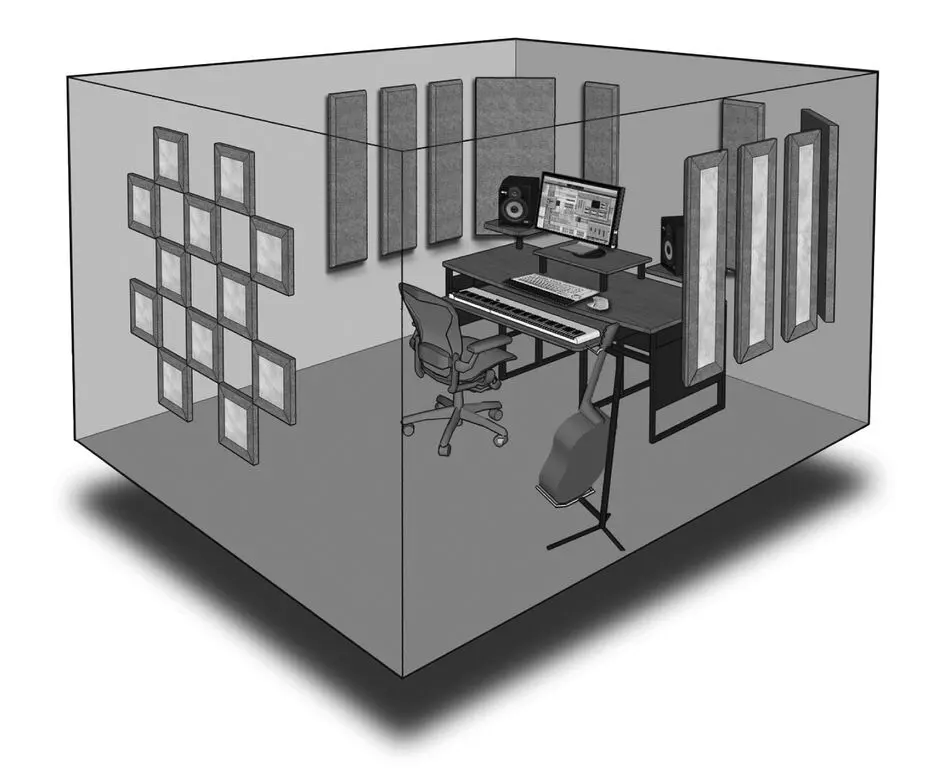
Primacoustic London 12-Room Kit
-John is the guitar repair technician and a former sales associate at Long & McQuade in Hamilton, ON